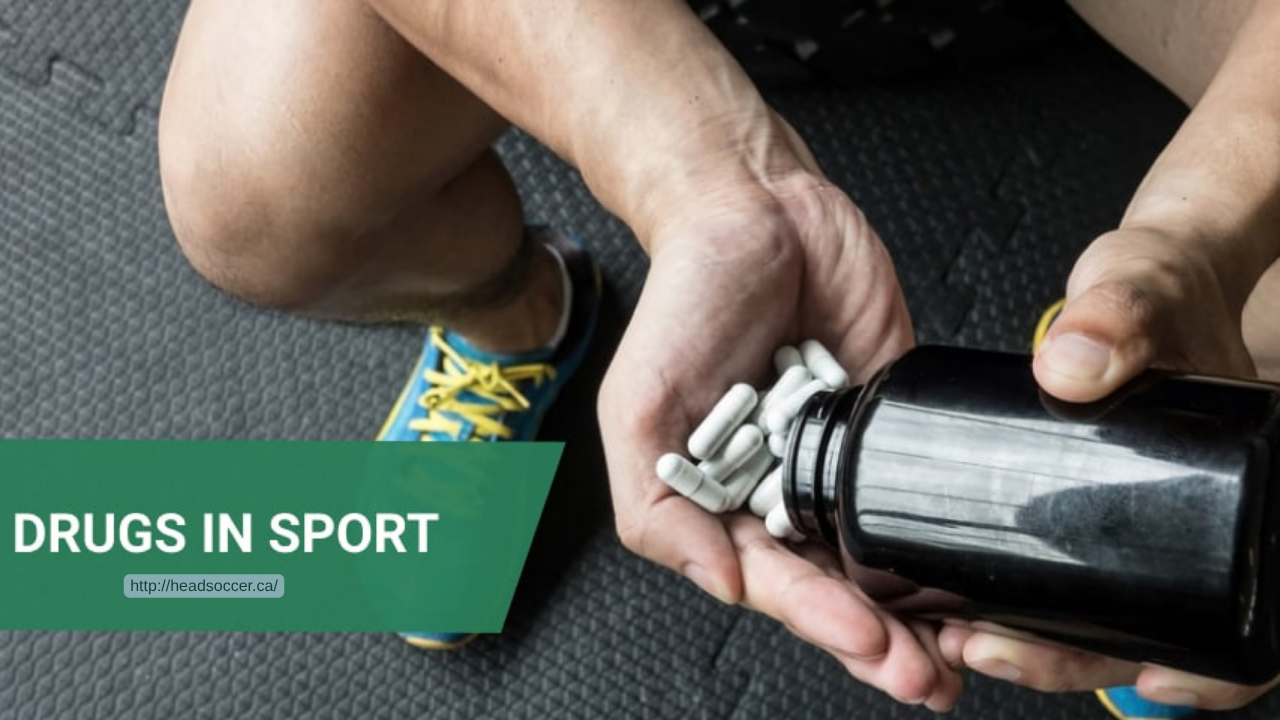
Professional athletes are often admired for their strength, skill, and determination. Fans see the victories, the highlights, and the dedication it takes to succeed at the highest level. However, behind the public applause lies a reality that is less visible but equally important. Many athletes face intense pressure, physical strain, and emotional challenges that can lead to substance abuse. Understanding the factors that contribute to addiction in professional sports is essential for supporting recovery and promoting long-term well-being.
The Pressure to Perform
Athletes operate under constant scrutiny. Coaches, teammates, sponsors, and fans expect peak performance day after day. The stress of competition, combined with the need to maintain physical and mental excellence, creates an environment where vulnerability can quickly lead to reliance on substances. Drugs, alcohol, and prescription medications may initially serve as coping tools, but they carry the risk of addiction if not carefully managed.
Physical Injuries and Pain Management
Injuries are an unavoidable part of professional sports. From minor strains to chronic conditions, the physical demands placed on athletes can be immense. Pain management often involves prescription medications, including opioids, which can be highly addictive. Athletes may feel pressured to continue performing despite discomfort, increasing the likelihood of misuse and long-term dependency.
Mental Health Challenges
Mental health is closely connected to substance abuse. Anxiety, depression, and burnout are common in high-performance environments, yet athletes often feel discouraged from seeking help. Fear of stigma or potential career repercussions can lead individuals to self-medicate with drugs or alcohol. This coping mechanism may provide temporary relief, but it ultimately exacerbates both mental and physical health challenges.
Recognizing the Signs of Addiction
Addiction in athletes can manifest in subtle ways. Mood swings, social withdrawal, reliance on substances for daily functioning, and unexplained performance changes may all be indicators. Early recognition is crucial. At Head Soccer Recovery, we provide compassionate support and professional intervention to help athletes address these challenges before they escalate.
Breaking the Stigma
Athletes are often taught to be tough and self-reliant. This mindset can make admitting to substance abuse feel like a weakness. At Head Soccer Recovery, we emphasize that seeking help is a sign of courage. Open conversations about addiction and mental health are essential to creating a supportive environment where recovery can begin.
Holistic and Individualized Recovery
Recovery is not just about stopping substance use—it is about rebuilding a life of balance, health, and purpose. Head Soccer Recovery provides personalized care that addresses the physical, emotional, and spiritual aspects of healing.
Comprehensive Treatment Options
- Inpatient and outpatient programs offer flexible levels of care for different needs
- Mental health therapy addresses underlying issues such as stress, trauma, and anxiety
- Holistic approaches including mindfulness, nutrition, and physical rehabilitation promote overall well-being
- Faith-based and individualized care supports emotional resilience and personal growth
This integrated approach ensures that athletes not only overcome addiction but also regain control of their lives and careers.
Moving Forward
Substance abuse does not define an athlete’s potential or worth. With the right support, recovery is possible. Athletes can rebuild their health, strengthen relationships, and find renewed purpose both on and off the field.
If you or a loved one is struggling with addiction, taking the first step toward professional help is essential. Head Soccer Recovery provides compassionate, expert care tailored to each individual’s journey. Start today and take the path toward recovery, resilience, and lasting wellness.