Winning at What Cost? The Secret Struggles of Addicted Athletes

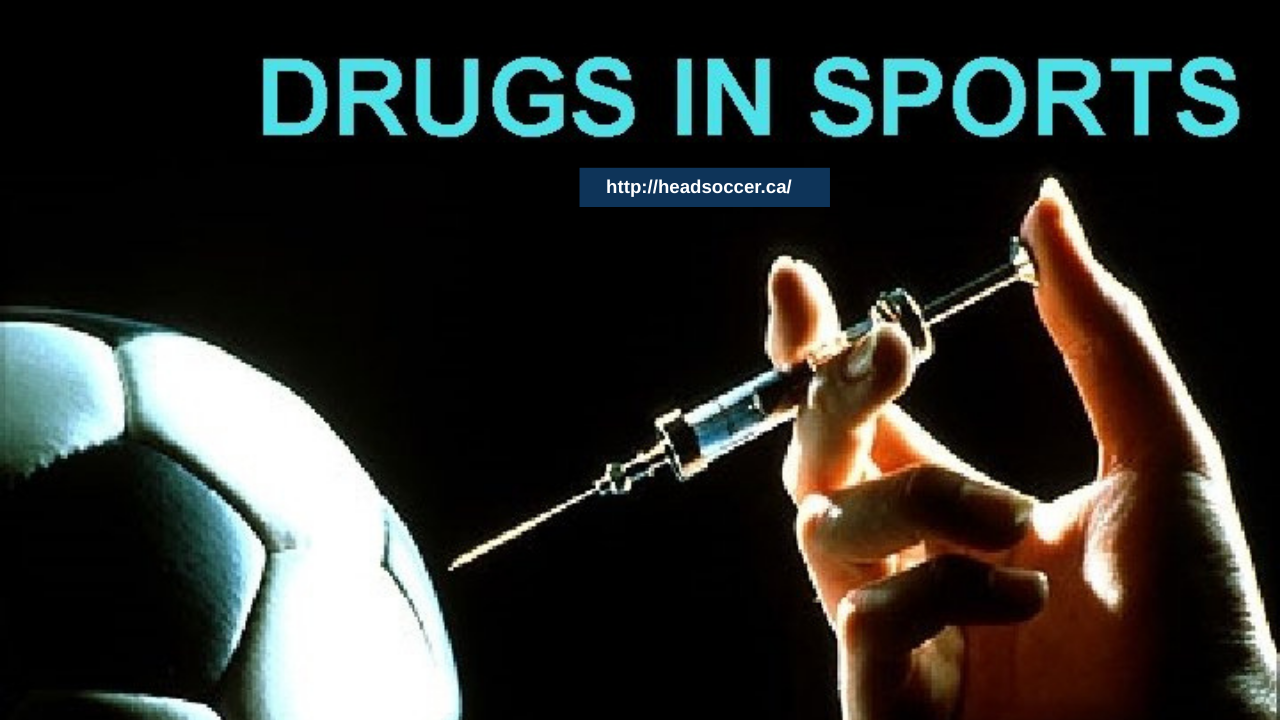
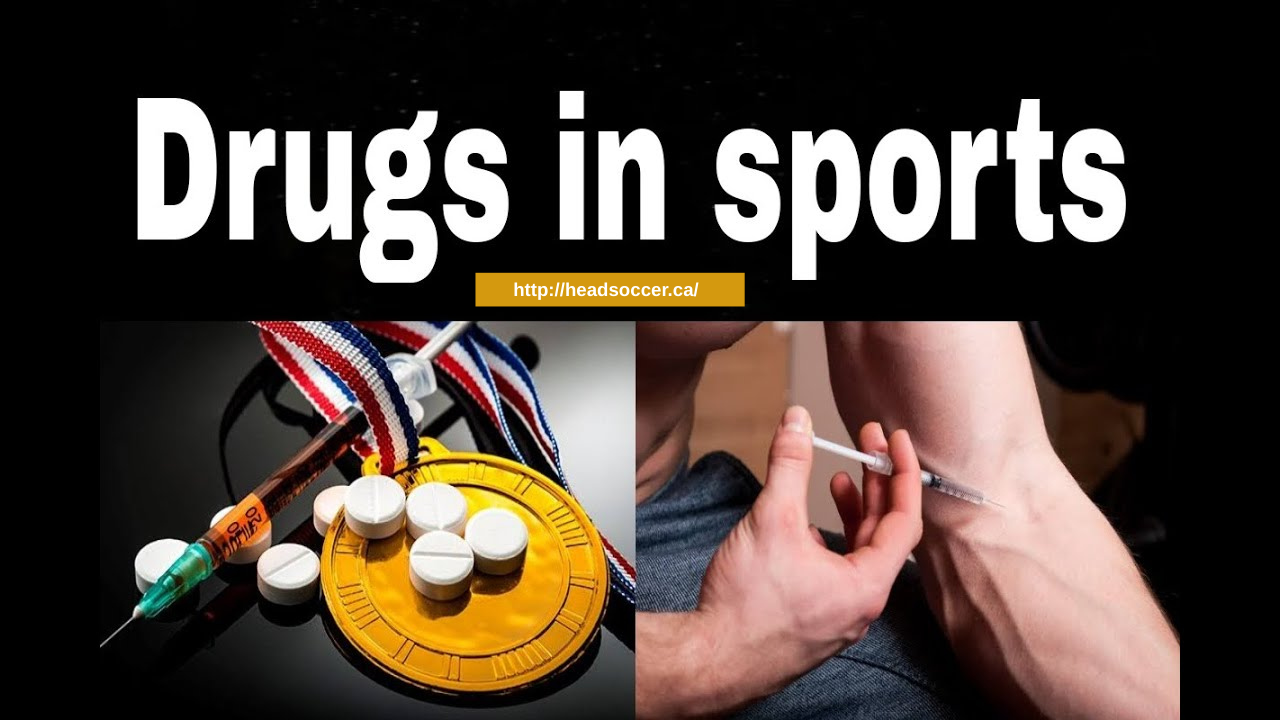
Athletes are often celebrated as symbols of strength, discipline, and excellence. From championship trophies to record-breaking performances, the world sees their success as the ultimate reward for hard work. Yet beneath the surface lies a reality few discuss openly. The pressure to perform, the physical toll of competition, and the struggle to maintain an image of perfection can push athletes toward substance use. Addiction among athletes is not always visible, but it is a very real battle that affects careers, families, and lives.

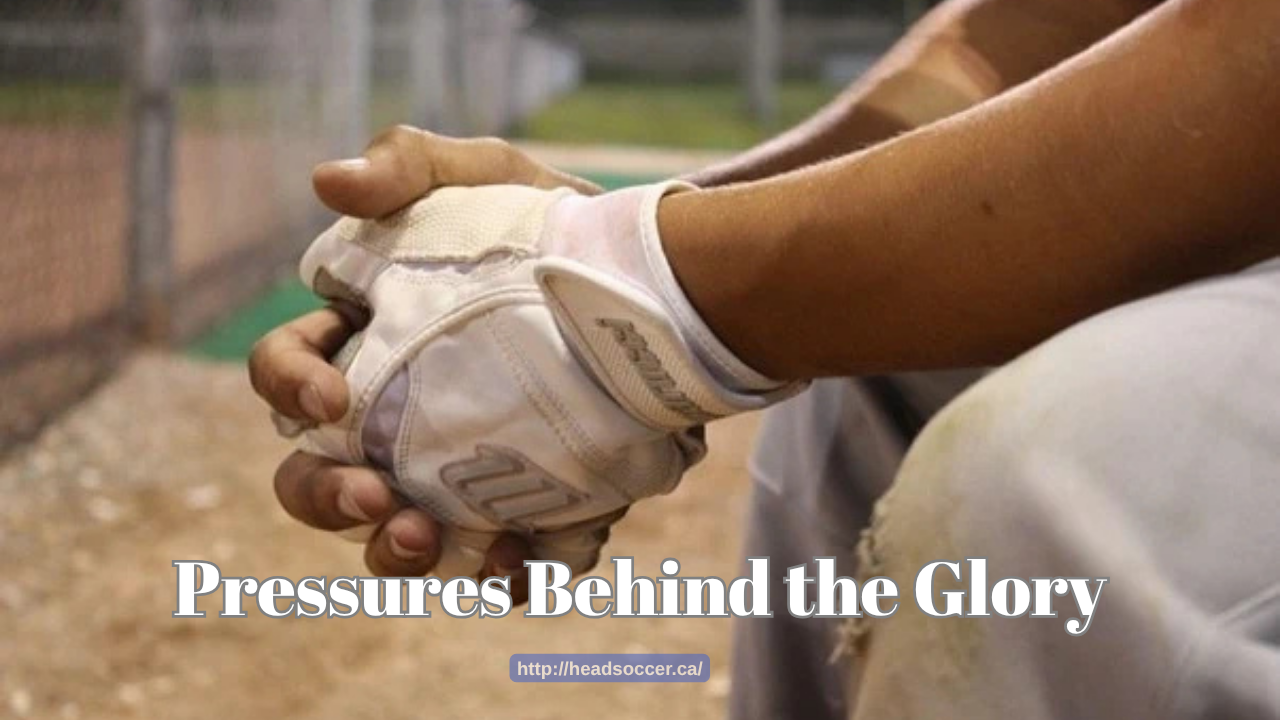
The Pressures Behind the Glory

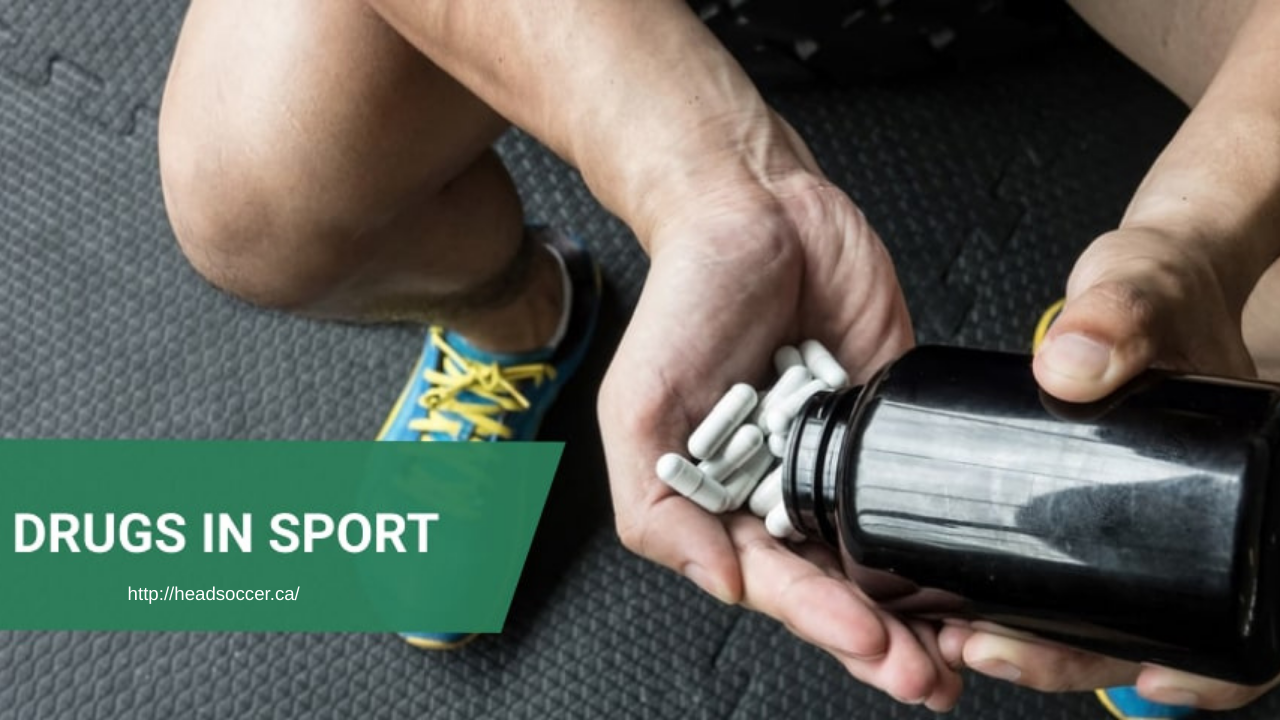
Behind every victory is a lifestyle built on relentless training, strict schedules, and constant public scrutiny. Athletes are expected to play through pain, recover quickly from injuries, and live up to the expectations of fans, coaches, and sponsors. This intense pressure often leads to reliance on prescription painkillers, stimulants, or alcohol to cope. What begins as a temporary fix can slowly develop into dependency, trapping athletes in a cycle they struggle to escape.

The Mental and Emotional Toll

It is not only physical demands that make athletes vulnerable. The emotional weight of competition is immense. Anxiety, performance pressure, and fear of failure can be overwhelming. In a culture that equates toughness with silence, many athletes choose not to seek mental health support. Instead, they turn to substances as a way to numb the stress. Over time, this silence deepens the problem and prevents athletes from getting the help they need.

The Hidden Consequences of Addiction

Substance abuse does not just affect an athlete’s performance. It impacts every aspect of life. Relationships with family and friends suffer. Careers that took decades to build can crumble in an instant. Financial stability, physical health, and personal identity are all at risk. For many athletes, the fall from the spotlight is devastating. What the public rarely sees is the private suffering that leads to this decline.

Breaking Through the Stigma

One of the greatest barriers to recovery is stigma. Athletes often fear that admitting to addiction will damage their reputation or end their career. This fear keeps them locked in secrecy, even as the situation worsens. By breaking the silence and recognizing that addiction is a health issue, not a moral failing, more athletes can be encouraged to seek help. Recovery requires courage, and seeking treatment is a sign of strength, not weakness.

The Path to Recovery and Renewal

Healing is possible, even for those who feel they are at their lowest point. Effective treatment looks at the whole person, addressing not just substance use but also mental health, emotional well-being, and spiritual strength.

Comprehensive Treatment Options

  • Inpatient and outpatient programs offer structured support that matches the individual’s needs.
  • Mental health treatment helps address underlying issues such as depression, trauma, or anxiety.
  • Holistic therapies including fitness, nutrition, and mindfulness restore balance to the body and mind.
  • Faith-based and individualized approaches provide hope, connection, and personal meaning in the recovery process.

By combining these approaches, athletes can rebuild their lives, finding purpose beyond the pressure of competition.

Choosing Hope Beyond Addiction

Addiction may be part of an athlete’s story, but it does not have to be the ending. With the right support, individuals can overcome addiction and rediscover their strength, not as athletes alone, but as whole and healed people.

If you or someone you care about is struggling with addiction, now is the time to take action. At Head Soccer Recovery, we are here to provide compassionate, personalized care that meets every individual where they are. True victory is not found only in the game but in reclaiming life, health, and hope.
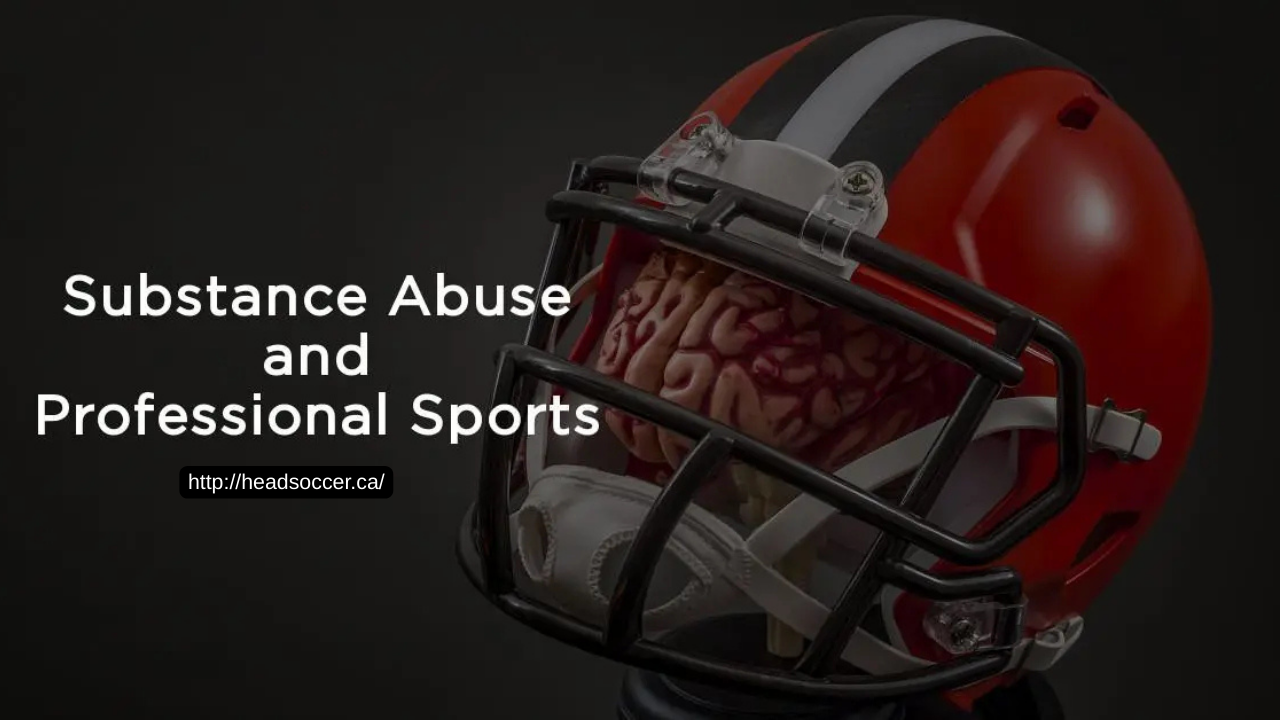

Beneath the Jersey: Substance Abuse in the High-Stakes World of Sports

When fans see athletes take the field, they see strength, confidence, and determination. The roar of the crowd, the bright lights, and the pursuit of victory all paint a picture of success. Yet beneath the jersey and away from the spotlight, many athletes struggle with a very different reality. The intense demands of professional sports often push players toward substances that promise relief or performance enhancement but ultimately lead to dangerous cycles of addiction.

The Pressure Cooker of Professional Sports

The stakes in elite athletics are extraordinarily high. Careers depend on flawless performance, winning seasons, and lucrative contracts. Injuries are common, and the pressure to recover quickly can result in heavy reliance on prescription painkillers. In some cases, stimulants are used to maintain energy, while recreational substances provide temporary escape from stress and scrutiny. For many athletes, these coping mechanisms quickly spiral into dependence.

Mental and Emotional Struggles

Beyond the physical demands, athletes also face significant mental health challenges. Anxiety, depression, and burnout often accompany the lifestyle of constant competition. The fear of failure or the weight of public expectations can be overwhelming. Instead of seeking open support, many athletes internalize their pain, turning to drugs or alcohol to numb difficult emotions. Without proper treatment, what begins as short-term relief can develop into long-term addiction.

The Hidden Cost of Success

While fans and media celebrate an athlete’s achievements, the hidden costs of their journey often go unnoticed. Substance abuse can lead to declining performance, strained relationships, and even the premature end of promising careers. Some athletes lose not only their livelihood but also their sense of identity once addiction takes hold. This reality underscores the importance of addressing substance use as a health issue rather than a moral failing.

Breaking the Stigma

In sports, toughness is often equated with silence. Admitting to struggles with addiction can feel like weakness in an environment that prizes endurance and resilience. This stigma keeps many athletes from seeking the care they need. However, real strength lies in facing the truth and taking steps toward recovery. By encouraging open conversations and offering support, the sports community can help break this cycle of silence.

Pathways to Healing

Recovery requires more than simply stopping substance use. True healing addresses the mind, body, and spirit. Effective treatment options include:

  • Inpatient and outpatient care to provide structure and flexibility depending on the severity of addiction.
  • Mental health counseling to work through trauma, depression, or anxiety.
  • Holistic therapies such as mindfulness, physical activity, and nutritional support to restore balance.
  • Faith-based and individualized approaches that honor each person’s values and unique needs.

These comprehensive methods empower athletes to rebuild their lives, both on and off the field.

Choosing Hope Beyond the Game

Addiction does not define an athlete’s story. With the right support, recovery is possible, and life after addiction can be filled with new purpose and freedom. At Head Soccer Recovery, we are committed to helping individuals find healing through compassionate, personalized care.

If you or someone you love is struggling with substance abuse, now is the time to take action. Reach out today and begin the journey toward recovery. Beneath the jersey is a person who deserves hope, healing, and a future beyond addiction.

When the Game Ends: Addiction and the Private Battles of Elite Athletes

The world sees elite athletes as icons of strength, discipline, and perseverance. Their victories are celebrated, their talent admired, and their careers often glorified. Yet when the stadium lights fade and the applause stops, many athletes face a very different reality. Away from the spotlight, countless professionals struggle with addiction, depression, and the emotional toll of life after sports. For some, the end of their career becomes the beginning of a silent battle with substances that few outsiders ever witness.

The Pressure Behind the Performance

Professional sports demand relentless dedication. Athletes push their bodies to the limit, sacrificing personal time, health, and often their mental well-being to achieve success. With so much pressure to perform, injuries and chronic pain are inevitable. To cope, many turn to prescription painkillers or stimulants, opening the door to dependency. At the same time, the intense scrutiny of media, fans, and sponsors leaves little room for vulnerability. Instead of asking for help, many athletes mask their struggles, fueling a cycle of hidden addiction.

Life After Retirement: A Difficult Transition

Retirement from professional sports is rarely easy. For many athletes, the game has defined their identity for decades. Without it, they can feel lost, purposeless, or disconnected from the community that once supported them. This emotional void can lead to depression, anxiety, and a reliance on drugs or alcohol as a coping mechanism. The absence of structure, routine, and constant training only intensifies these challenges, leaving many former athletes battling in silence.

Mental Health and Stigma

Mental health has long been overlooked in the world of sports. Athletes are expected to embody toughness, both physically and emotionally, which often discourages them from speaking openly about their struggles. The stigma surrounding addiction compounds the problem, creating fear that admitting to substance use will damage reputations or end careers prematurely. This silence prevents many from seeking the treatment and support they desperately need.

Pathways to Recovery: Rebuilding Life Beyond Sports

The good news is that recovery is possible, and countless athletes have proven that life after addiction can be filled with purpose and hope. Through specialized addiction recovery services, former athletes can address both the physical and psychological aspects of their struggles.

Comprehensive Care Matters

Effective treatment goes beyond detox. It often includes:

  • Mental health support to address depression, anxiety, or trauma.
  • Inpatient and outpatient care tailored to the intensity of the individual’s needs.
  • Holistic therapies such as mindfulness, fitness programs, and nutritional support to restore balance.
  • Faith-based and individualized approaches that connect people to their values and strengthen resilience.

By combining these methods, athletes learn not only to break free from addiction but also to build a healthier, more meaningful life beyond the game.

A Message of Hope

Addiction is not a sign of weakness, nor does it erase the achievements of an athlete’s career. It is a human struggle, one that many face quietly and courageously. Seeking help is the first step toward healing and reclaiming life’s purpose.

If you or someone you love is struggling with addiction, know that compassionate, professional support is available. At Head Soccer Recovery, we believe in personalized care that treats the whole person, not just the symptoms of addiction. Every story of struggle can become a story of redemption, and every ending can lead to a new beginning.

Under Pressure: Why Pro Athletes Turn to Drugs Behind the Scenes

The world of professional sports is one of triumph, discipline, and sacrifice. To fans, athletes appear unstoppable, driven by passion and raw talent. Yet the reality behind the scenes is far more complex. The relentless pressure to succeed, combined with physical injuries and emotional strain, often leads athletes to seek unhealthy ways to cope. Drug use, while hidden from the public eye, has become a serious issue that affects not just performance but also health and quality of life. At Head Soccer Recovery, we provide compassionate, individualized care to help athletes and others break free from addiction and rediscover balance.

The Unrelenting Pressure of Professional Sports

Performance at Any Cost

Athletes are trained from a young age to strive for perfection. Each game, season, and contract carries immense weight, making failure feel like it is not an option. This pressure can drive athletes to use stimulants, painkillers, or alcohol as a way to keep performing, mask exhaustion, or escape overwhelming stress. What begins as an occasional coping mechanism can quickly spiral into dependency.

Coping With Injuries and Pain

Injuries are inevitable in sports. From torn ligaments to recurring back pain, the physical demands take a toll on even the strongest athletes. Prescription pain medication is often used to manage these injuries, but prolonged use increases the risk of addiction. Many athletes push themselves to return to competition before fully healing, deepening their reliance on substances to function.

The Mental Health Connection

The Silent Struggle

The connection between mental health and substance abuse is clear. Anxiety, depression, and feelings of isolation can drive athletes toward drugs or alcohol as a form of self-medication. Unfortunately, the culture of toughness in sports discourages open conversations about mental health. This silence leaves many athletes without the support they need at the moment they need it most.

Breaking the Stigma

At Head Soccer Recovery, we believe that acknowledging mental health challenges is a sign of strength, not weakness. By addressing the underlying emotional struggles alongside substance use, we help clients build healthier coping skills and create lasting recovery. Our approach integrates therapy, medical support, and holistic care to ensure that healing addresses the whole person.

A Holistic Approach to Recovery

Individualized Treatment Plans

No two journeys are alike. That is why we provide personalized treatment that combines evidence-based therapies with holistic practices such as mindfulness, nutrition, and fitness. For those who find strength in spirituality, faith-based counseling is also available. This comprehensive care ensures that recovery addresses both physical healing and emotional well-being.

Flexible Care Options

Some individuals benefit from the structure of inpatient care, while others may thrive in outpatient programs that allow them to maintain personal responsibilities. At Head Soccer Recovery, we offer both options, along with aftercare planning to support long-term success. Our team works closely with each client to identify the best path forward.

Finding Hope Beyond the Pressure

Recovery is not just about breaking free from substances. It is about rediscovering purpose, health, and balance. Many athletes who once turned to drugs under pressure now share stories of resilience and redemption. Their journeys prove that healing is possible and that a life beyond addiction is within reach.

If you or someone you love is struggling with substance use, do not wait in silence. Contact Head Soccer Recovery today. Together, we can help you find strength, healing, and a future filled with

The Hidden Cost of Glory: Drug Abuse in Professional Athletics

Professional athletes are celebrated for their skill, dedication, and the thrilling performances they deliver on the field. However, the pursuit of victory often comes with a hidden cost. Behind the medals and headlines, many athletes struggle with drug abuse that threatens their health, careers, and personal lives. At Head Soccer Recovery, we recognize the unique pressures that athletes face and provide holistic, individualized care to help them overcome addiction and reclaim their lives.

Understanding the Hidden Challenges

The Pressure to Perform

The world of professional sports is incredibly demanding. Athletes face constant pressure to perform, maintain peak physical condition, and meet the expectations of fans, coaches, and sponsors. This high-stakes environment can lead some to turn to drugs as a coping mechanism or as a way to gain a competitive edge. Whether it is prescription medication for pain, stimulants for focus, or recreational substances, the initial use can quickly escalate into dependency.

Physical Injuries and Pain Management

Injuries are a common reality for athletes. From sprains and fractures to chronic pain conditions, the physical toll can be immense. Prescription painkillers are often necessary for recovery, but they carry a high risk of addiction. Athletes accustomed to pushing through pain may misuse these medications to stay in the game, creating a cycle that is difficult to break without professional support.

Mental Health Factors

Substance abuse is often closely linked to mental health challenges. Anxiety, depression, and the stress of public scrutiny can drive athletes to self-medicate. The stigma surrounding mental health in professional sports can prevent athletes from seeking help, exacerbating the risk of addiction. At Head Soccer Recovery, we integrate mental health treatment into every program to address both the physical and emotional aspects of recovery.

Holistic and Individualized Recovery

Comprehensive Treatment Plans

Every athlete’s journey is unique. Our treatment plans are designed to meet individual needs, combining medical care, therapy, and holistic approaches. Faith-based counseling is available for those who find strength in spirituality, supporting both emotional and spiritual healing. This comprehensive care addresses the root causes of addiction, not just the symptoms.

Inpatient and Outpatient Care

Depending on the severity of addiction and personal circumstances, athletes may benefit from inpatient or outpatient programs. Inpatient care provides structured support and medical supervision, while outpatient programs offer flexibility for those balancing recovery with personal and professional responsibilities. Both options are designed to foster long-term success through evidence-based therapies and ongoing support.

Building a Support System

Recovery is reinforced by a strong network of support. Our programs encourage family involvement, peer mentoring, and community resources to ensure athletes do not face their challenges alone. This support system is crucial for maintaining sobriety and rebuilding a meaningful life.

Taking the Next Step

Recovery is Possible

Drug abuse does not have to define an athlete’s story. With the right support and treatment, recovery is achievable. Many athletes who have faced addiction have gone on to lead fulfilling lives, demonstrating resilience and the capacity for change.

Reach Out for Help

If you or someone you love is struggling with substance abuse, seeking help is the first and most important step. At Head Soccer Recovery, our compassionate team is ready to provide guidance, support, and personalized care.

Contact us today and start the journey toward healing, health, and a life beyond addiction. Your future begins now.

Breaking the Silence: The Untold Stories of Substance Abuse in Sports

The thrill of victory and the roar of the crowd often hide a side of sports that few see. Behind the game-winning goals, championship trophies, and public admiration lies a reality that many athletes face in silence: substance abuse. The pressures of performance, physical pain, and the relentless demands of a public career can push even the strongest competitors into dangerous territory. At Head Soccer Recovery, we understand these challenges and offer comprehensive, compassionate treatment designed to meet the unique needs of athletes and others navigating the path to recovery.

The Pressure Beneath the Glory

The Demands of Constant Performance

Athletes are expected to perform at their peak under immense scrutiny. Every match, every season, and every contract can feel like a make-or-break moment. This unrelenting demand often creates an environment where coping through unhealthy means becomes tempting. Substance use may start with something as common as prescription painkillers after an injury or occasional drinking to unwind, but it can escalate into dependency faster than many realize.

Injuries and the Cycle of Pain

Injuries are an inevitable part of sports, and with them comes the challenge of pain management. For some athletes, painkillers are a necessary part of recovery. Unfortunately, without proper oversight, these medications can lead to dependence and eventual addiction. The cycle is difficult to break without specialized support that addresses both the physical and emotional aspects of pain.

The Stigma That Keeps Athletes Silent

Fear of Career Consequences

Many athletes fear that admitting to substance use or addiction will damage their careers, reputations, or future opportunities. This fear often leads to secrecy, isolation, and delayed treatment. Breaking this stigma is essential. At Head Soccer Recovery, we believe that asking for help is an act of courage and the first step toward lasting recovery.

The Role of Mental Health

Mental health is closely linked to substance use. Anxiety, depression, and post-traumatic stress can all contribute to self-medication. Without addressing these underlying conditions, recovery becomes more challenging. That is why mental health treatment is a cornerstone of our holistic approach.

A Comprehensive Path to Recovery

Individualized, Holistic Treatment

Every athlete’s journey is different. We offer tailored treatment plans that integrate medical care, mental health support, and faith-based counseling for those who find strength in spiritual guidance. Our programs address the root causes of addiction, not just the symptoms.

Inpatient and Outpatient Options

Whether you need the structure of inpatient care or the flexibility of outpatient programs, our team will guide you toward the option that best fits your life and goals. From intensive therapy to ongoing aftercare, we ensure that clients have the tools and support they need for long-term success.

Rewriting the Ending

Recovery from substance abuse is not just about overcoming addiction. It is about reclaiming health, purpose, and self-worth. Many athletes who once struggled in silence are now living testimonies to the power of recovery. Their stories remind us that no matter how far someone has fallen, there is always a way forward.

If you or someone you know is facing the hidden battle of substance abuse, take the first step today. Contact Head Soccer Recovery to begin a journey toward healing and hope. Your future is waiting.

Behind the Applause: How Addiction Haunts the World of Pro Athletes

The roar of the crowd. The spotlight. The headlines. Professional athletes often appear to live the dream, performing at the highest levels of physical achievement. But behind the applause lies a different story. For many athletes, the pressure to perform, the toll of physical injuries, and the strain on mental health lead to a dangerous intersection with addiction. At Head Soccer Recovery, we understand this hidden struggle and offer holistic, individualized treatment that helps clients reclaim their lives.

The Hidden Toll of Professional Sports

Pressure, Performance, and Pain

From a young age, many athletes are conditioned to push their bodies and minds beyond normal limits. The intense drive to win, combined with the fear of failure, creates a toxic cocktail of stress and anxiety. When pain or pressure becomes too great, some athletes turn to substances to cope. Whether it begins with prescription painkillers for an injury or alcohol to deal with social and emotional stress, addiction can take root quietly and grow rapidly.

When Silence Becomes a Threat

Addiction in professional sports is rarely discussed openly. Athletes are often expected to be resilient, composed, and mentally tough. As a result, many struggle in silence, fearing that seeking help will be seen as weakness. This stigma often delays recovery and worsens the problem. At Head Soccer Recovery, we believe that seeking help is not a sign of weakness but of strength. Our treatment plans are designed to support the whole person, offering medical, emotional, and spiritual guidance in a safe, judgment-free space.

A Holistic Approach to Healing

More Than Just Treating Symptoms

Addiction is rarely just about substances. It often stems from unresolved trauma, chronic stress, or untreated mental health conditions. That’s why we use a holistic model that includes mental health support, medical care, and faith-based counseling. Every person’s story is different, and so are their needs. Our personalized approach allows us to meet each client where they are and guide them toward meaningful, lasting recovery.

Inpatient and Outpatient Flexibility

Some athletes may require the structure of inpatient care to break free from addiction, while others benefit from the flexibility of outpatient programs. Head Soccer Recovery offers both options, along with ongoing support and aftercare planning. We work closely with each client to determine the best path forward, combining evidence-based therapies with complementary treatments like mindfulness, nutrition, and fitness therapy.

Moving Forward: Reclaiming Life After Addiction

Recovery is Possible

The journey through addiction is never easy, but it is always possible. Many former athletes who have faced substance abuse are now speaking out, showing that recovery can lead to a life of greater purpose and authenticity. These stories are powerful reminders that hope is real.

Take the First Step

If you or someone you love is struggling with addiction, you don’t have to face it alone. At Head Soccer Recovery, we are committed to walking with you every step of the way. Our compassionate team is here to listen, support, and guide you toward lasting change.

Reach out today and take the first step toward healing. Your life beyond addiction begins here.

Off the Field, Into the Shadows: Substance Abuse in Professional Sports

Professional sports are often associated with peak physical performance, discipline, and relentless competition. Fans cheer for their favorite athletes, idolizing their strength and resilience. Yet, beyond the glory of championships and record-breaking feats lies a hidden reality: the shadow of substance abuse. Behind the scenes, many athletes battle addictions that threaten not only their careers but also their lives.

The Unseen Pressure

The life of a professional athlete is far from easy. The pressure to win, perform at peak levels, and live up to public expectations can be overwhelming. Many athletes start training at a young age, dedicating their lives to their sport. This all-consuming focus often leaves little room for balance, making it difficult to cope with stress or failure in healthy ways.

When the pressure mounts, some athletes turn to substances as a coping mechanism. For some, it’s alcohol to unwind after intense games; for others, it’s stimulants to stay alert or opioids to manage chronic pain. What starts as occasional use can quickly spiral into dependency, especially in an environment where toughness is valued over vulnerability.

The Role of Injuries

Injuries are a common part of any athletic career. Whether it’s a torn ligament, a fractured bone, or ongoing back pain, many athletes experience physical trauma that requires medical intervention. Opioid painkillers are frequently prescribed to help manage these injuries, but their addictive potential is high. Athletes accustomed to pushing through pain may misuse medication to keep playing, unaware of how easily dependency can develop.

Once the prescriptions run out, some athletes turn to illegal drugs to maintain the same level of relief. This dangerous cycle has contributed to the opioid crisis affecting both amateur and professional sports communities.

The Party Scene

The fame and wealth that come with professional sports also open the door to a lifestyle filled with parties, nightlife, and social pressures. Cocaine, ecstasy, and other recreational drugs are often part of these scenes. For some athletes, drug use becomes a way to escape the constant demands of competition or cope with the fear of failure.

Unfortunately, recreational drug use can quickly lead to addiction. The consequences are far-reaching, from damaged reputations to career-ending suspensions and health complications.

Breaking the Silence

Awareness of substance abuse in professional sports is growing, thanks in part to athletes who have bravely shared their personal struggles. Their stories highlight the need for better mental health support and addiction treatment options within the sports industry.

Many leagues and organizations are beginning to address these issues by offering confidential counseling services, education programs, and recovery resources. Shifting the focus from punishment to rehabilitation is an essential step in helping athletes heal.

Conclusion

The glamorous image of professional sports often hides the personal battles athletes face off the field. Substance abuse is a complex issue that requires compassion, education, and open dialogue. By acknowledging the hidden struggles of addiction, the sports world can create a healthier, more supportive environment where athletes can thrive both in their careers and in their personal lives.

From Addiction to Advocacy: How Former Athletes Are Changing the Conversation

In the competitive world of professional sports, addiction has long been a hidden battle, shrouded in stigma and silence. Yet, in recent years, a growing number of former athletes have stepped forward to share their struggles with substance abuse—not as tales of defeat, but as stories of survival and strength. These individuals are not only reclaiming their lives but also transforming their pain into purpose by becoming powerful advocates for addiction recovery.

Turning Pain into Purpose

For many retired athletes, the transition out of professional sports is fraught with challenges. The loss of routine, identity, and the adrenaline rush of competition can create a void that substances often fill. However, those who reach recovery often develop a deeper understanding of the emotional and psychological toll their careers took on them.

Chris Herren, a former NBA player, is one such example. After years of struggling with heroin addiction, Herren found recovery and established the Herren Project, a nonprofit dedicated to raising awareness and providing resources for those battling addiction. Through public speaking, school visits, and recovery programs, Herren uses his platform to educate others about the realities of substance abuse and the importance of mental health support.

Breaking the Stigma

Former athletes who speak openly about their recovery help dismantle the stigma surrounding addiction. Their visibility and influence challenge the outdated belief that addiction is a moral failing rather than a medical condition. By sharing their stories, they make it easier for current athletes and everyday individuals alike to seek help without shame.

NFL quarterback Ryan Leaf, once labeled a draft bust and imprisoned for drug-related offenses, is now a prominent voice in mental health and addiction recovery. He speaks candidly about his past mistakes and the role untreated mental illness played in his substance use. Leaf’s advocacy highlights the connection between emotional well-being and addiction, urging others to prioritize mental health.

Creating a Culture of Support

Former athletes are also instrumental in pushing sports organizations to adopt more compassionate and comprehensive approaches to addiction. Their firsthand experiences bring valuable insight into the pressures that drive substance abuse and the kind of support systems that truly work.

Some have gone on to work with leagues, teams, and player associations to develop educational initiatives, recovery programs, and wellness policies. Their involvement ensures that the conversation around addiction in sports is no longer about punishment but about prevention, support, and recovery.

Inspiring the Next Generation

By turning their personal battles into advocacy, these athletes become role models in a new way. They show that recovery is not only possible but can lead to a life filled with purpose, service, and impact. Their courage inspires others to break their silence, seek help, and believe in the possibility of change.

Conclusion

The journey from addiction to advocacy is one of redemption and resilience. As former athletes continue to share their stories and work for change, they are reshaping the narrative around addiction in sports and beyond. Their voices are not just raising awareness—they are offering hope, building community, and changing lives.

Beyond the Game: Mental Health, Pressure, and Substance Abuse in Pro Sports

In the world of professional sports, athletes are celebrated for their strength, resilience, and determination. They perform under the glaring lights of stadiums and arenas, with millions of fans watching their every move. But behind the powerful performances and public adoration lies a quieter, often hidden struggle: the battle with mental health challenges and substance abuse. The immense pressure to succeed, combined with physical demands and public scrutiny, makes professional athletes particularly vulnerable to these issues.

The Weight of Expectations

From early in their careers, athletes are taught to win, to excel, and to push through adversity. While this mindset helps them achieve greatness, it can also make it difficult for them to acknowledge emotional or mental struggles. The fear of appearing weak or risking their careers often prevents athletes from seeking help when they need it most.

The constant pressure to perform at the highest level—whether it’s securing a championship, meeting contract expectations, or simply maintaining a starting position—can lead to chronic stress and anxiety. When injuries occur, athletes may also face depression and isolation during recovery periods, further intensifying their emotional struggles.

Turning to Substances

To cope with the mental and physical toll of their profession, some athletes turn to substances. Prescription painkillers are commonly used to manage injury-related pain but can quickly lead to dependency. Meanwhile, alcohol and recreational drugs like cocaine or marijuana may be used to escape stress or numb emotional pain.

Unfortunately, substance use often worsens the very issues athletes are trying to manage. Addiction can damage careers, strain relationships, and endanger health—sometimes with tragic consequences. Several high-profile cases have shown how unchecked substance abuse can derail promising careers and, in some cases, cost lives.

Breaking the Stigma

Thankfully, the culture of silence around mental health and substance abuse in sports is beginning to shift. More athletes are bravely speaking out about their personal battles, challenging outdated notions that seeking help is a sign of weakness. Players like NBA star Kevin Love and Olympic swimmer Michael Phelps have opened up about their struggles with anxiety and depression, encouraging others to prioritize mental well-being.

Leagues and organizations are also stepping up, offering mental health resources, confidential counseling, and educational programs. These efforts are helping create environments where athletes feel safer asking for help before issues spiral out of control.

A Path Forward

Addressing mental health and substance abuse in pro sports requires a comprehensive approach. This means integrating mental health care into training programs, providing alternatives to addictive pain treatments, and promoting open conversations about the emotional challenges of competition.

Conclusion

Beyond the game, athletes are human beings facing extraordinary pressures. By recognizing the link between mental health struggles and substance abuse, the sports world can better support its stars not just as competitors, but as people. With compassion, education, and accessible resources, we can help ensure that athletes thrive both on and off the field.