
Monthly Archives: June 2025

Beyond the Game: Mental Health, Pressure, and Substance Abuse in Pro Sports

In the world of professional sports, athletes are celebrated for their strength, resilience, and determination. They perform under the glaring lights of stadiums and arenas, with millions of fans watching their every move. But behind the powerful performances and public adoration lies a quieter, often hidden struggle: the battle with mental health challenges and substance abuse. The immense pressure to succeed, combined with physical demands and public scrutiny, makes professional athletes particularly vulnerable to these issues.

The Weight of Expectations

From early in their careers, athletes are taught to win, to excel, and to push through adversity. While this mindset helps them achieve greatness, it can also make it difficult for them to acknowledge emotional or mental struggles. The fear of appearing weak or risking their careers often prevents athletes from seeking help when they need it most.

The constant pressure to perform at the highest level—whether it’s securing a championship, meeting contract expectations, or simply maintaining a starting position—can lead to chronic stress and anxiety. When injuries occur, athletes may also face depression and isolation during recovery periods, further intensifying their emotional struggles.

Turning to Substances

To cope with the mental and physical toll of their profession, some athletes turn to substances. Prescription painkillers are commonly used to manage injury-related pain but can quickly lead to dependency. Meanwhile, alcohol and recreational drugs like cocaine or marijuana may be used to escape stress or numb emotional pain.

Unfortunately, substance use often worsens the very issues athletes are trying to manage. Addiction can damage careers, strain relationships, and endanger health—sometimes with tragic consequences. Several high-profile cases have shown how unchecked substance abuse can derail promising careers and, in some cases, cost lives.

Breaking the Stigma

Thankfully, the culture of silence around mental health and substance abuse in sports is beginning to shift. More athletes are bravely speaking out about their personal battles, challenging outdated notions that seeking help is a sign of weakness. Players like NBA star Kevin Love and Olympic swimmer Michael Phelps have opened up about their struggles with anxiety and depression, encouraging others to prioritize mental well-being.

Leagues and organizations are also stepping up, offering mental health resources, confidential counseling, and educational programs. These efforts are helping create environments where athletes feel safer asking for help before issues spiral out of control.

A Path Forward

Addressing mental health and substance abuse in pro sports requires a comprehensive approach. This means integrating mental health care into training programs, providing alternatives to addictive pain treatments, and promoting open conversations about the emotional challenges of competition.

Conclusion

Beyond the game, athletes are human beings facing extraordinary pressures. By recognizing the link between mental health struggles and substance abuse, the sports world can better support its stars not just as competitors, but as people. With compassion, education, and accessible resources, we can help ensure that athletes thrive both on and off the field.
Addiction in the Big Leagues: Stories of Struggle, Recovery, and Redemption

Professional athletes are often seen as modern-day gladiators—strong, disciplined, and seemingly untouchable. But beneath the surface of fame and fortune lies a different reality: the ongoing struggle many face with addiction. From the pressure to perform to the challenge of coping with injuries and mental health issues, athletes in the big leagues are far from immune to substance abuse. Yet, amid these challenges, many have found a path to recovery and redemption, proving that even in the darkest moments, there is hope.

The Hidden Battle

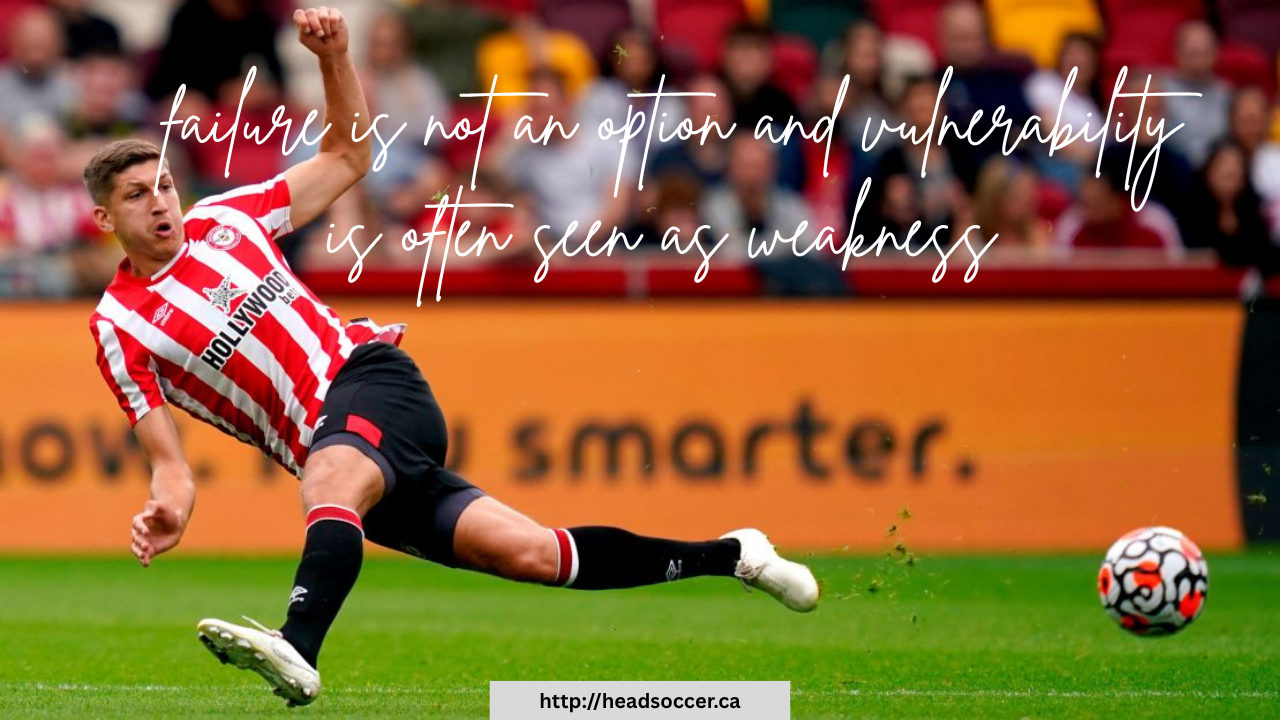
Addiction doesn’t always begin with reckless behavior. For many athletes, it starts with something as seemingly harmless as a prescription for painkillers after an injury or a drink to unwind after a game. Over time, these habits can escalate, particularly in high-pressure environments where failure is not an option and vulnerability is often seen as weakness.

Baseball legend Darryl Strawberry is a prime example. At the height of his career, he battled drug addiction that derailed his time in Major League Baseball. Despite the public fallout, Strawberry eventually found recovery and has since become an advocate for addiction awareness and faith-based recovery programs.

Redemption Through Recovery

The journey from addiction to recovery is rarely straightforward. It involves acknowledging the problem, seeking help, and committing to change—often in the face of public scrutiny. NFL quarterback Ryan Leaf, once known for being one of the biggest draft disappointments in league history, struggled with painkiller addiction after injuries ended his career prematurely. His downward spiral included legal trouble and prison time. But Leaf turned his life around through treatment and now works as a motivational speaker, helping others find their way back from addiction.

These stories are not just tales of downfall but of immense courage. Recovery is about more than just staying sober; it’s about rebuilding a life, repairing relationships, and discovering new purpose beyond the game.

Support Makes the Difference

A key factor in successful recovery is having the right support network. Teams, leagues, and player associations are starting to offer more resources for mental health and addiction support. Programs that emphasize confidentiality, education, and long-term care are helping to shift the culture from punishment to healing.

Athletes also find strength in each other. Former NBA player Chris Herren, who nearly lost everything to heroin addiction, now shares his story in schools and rehab centers across the country. His advocacy has inspired many to speak out, proving that vulnerability can be a source of strength.

A New Legacy

For many athletes, recovery becomes a new chapter—one that can be just as powerful as their athletic achievements. These individuals become mentors, advocates, and examples of what is possible when someone refuses to let addiction define their story.

Conclusion

Addiction in the big leagues is real, but so is recovery. Through struggle, many athletes have discovered their resilience and transformed their pain into purpose. Their stories remind us that redemption is always within reach—and that no one, no matter how high they’ve climbed or how far they’ve fallen, is beyond hope.