Monthly Archives: May 2026

The Unseen Battle: Why Professional Athletes Are Vulnerable to Addiction

Professional athletes are often viewed as the definition of discipline, resilience, and success. Fans admire their physical abilities, mental toughness, and dedication to competition. However, behind the public image of strength, many athletes quietly struggle with addiction and mental health challenges. The pressure to perform, recover from injuries, and maintain a flawless image can create emotional strain that is difficult to manage alone. Understanding why professional athletes are vulnerable to addiction is essential for encouraging prevention, early intervention, and lasting recovery.

At Headsoccer, we believe addiction should be treated with compassion, understanding, and personalized care. Through evidence-based addiction recovery services, mental health treatment, inpatient and outpatient programs, and holistic and faith-based approaches, we help individuals rebuild their lives with confidence and support.

Why Professional Athletes Face Higher Addiction Risks

Professional sports create a unique environment where physical demands and emotional pressure often exist side by side. While athletic success may appear glamorous, the reality behind the scenes can be far more challenging.

Constant Pressure to Perform

Athletes are expected to perform at a high level consistently. Every game, competition, or season can influence contracts, reputation, and career opportunities. Over time, this pressure can lead to anxiety, emotional exhaustion, and burnout.

Some athletes may turn to alcohol, prescription medication, or other substances to manage stress, improve sleep, or temporarily escape emotional strain. What starts as occasional use can gradually develop into dependency.

Injuries and Pain Management

Physical injuries are common in professional sports. Recovery often involves prescription pain medication, which can become difficult to manage without proper support and monitoring. Athletes may continue using substances long after the physical injury has healed, especially if emotional pain or stress remains unresolved.

The emotional side of injury recovery can also be significant. Athletes may feel isolated, frustrated, or fearful about their future, which can increase vulnerability to substance use.

Mental Health Challenges in Sports

Mental health struggles are more common in athletes than many people realize. Depression, anxiety, performance anxiety, and burnout can affect athletes at every level of competition. Unfortunately, many individuals hesitate to seek help because they fear judgment or worry that asking for support will be seen as weakness.

Without proper mental health care, substance use can become a coping mechanism that worsens emotional and psychological challenges over time.

Lifestyle and Environmental Factors

Professional athletes often live highly structured yet emotionally demanding lifestyles. Frequent travel, media attention, public scrutiny, and time away from family can contribute to feelings of isolation and stress.

In some sports environments, substance use may also become normalized through social settings or team culture, increasing the risk of unhealthy behaviors.

Recognizing the Warning Signs of Addiction

Early recognition can make a major difference in recovery outcomes. Athletes, coaches, teammates, and family members should be aware of changes that may indicate a developing problem.

Common warning signs include:

  • Sudden changes in mood or behavior
  • Declining performance or motivation
  • Withdrawal from friends, teammates, or loved ones
  • Increased secrecy or defensiveness
  • Changes in sleep patterns or energy levels
  • Reliance on substances to cope with stress or emotions

Recognizing these signs early creates opportunities for support and intervention before addiction becomes more severe.

The Importance of Personalized Addiction Treatment

Recovery is not the same for every individual. Athletes often require specialized support that addresses both addiction and the unique pressures associated with sports performance.

Individualized Treatment Plans

At Headsoccer, treatment plans are customized to each individual’s needs, mental health concerns, and recovery goals. Personalized care helps clients feel understood and supported throughout the recovery process.

Evidence-Based Mental Health Support

Therapies such as cognitive behavioral therapy and individual counseling help individuals identify triggers, manage stress, and develop healthier coping strategies.

Holistic and Faith-Based Healing

True recovery involves more than physical sobriety. Holistic approaches may include mindfulness practices, nutritional support, physical wellness, and spiritual guidance to promote healing for the mind, body, and spirit.

Inpatient and Outpatient Care Options

Some individuals benefit from structured inpatient care that provides a stable environment for recovery. Others may find outpatient treatment more suitable while balancing personal or professional responsibilities. Both options focus on long-term healing and relapse prevention.

Ongoing Aftercare and Recovery Support

Long-term recovery requires continued guidance and connection. Support groups, counseling, and relapse prevention planning help individuals maintain progress and build healthier lives after treatment.

Moving Forward Beyond the Pressure

Addiction among professional athletes is often an unseen battle, but it is not one that has to be faced alone. Recovery is possible with the right support, compassionate care, and personalized treatment approach.

At Headsoccer, we are committed to helping individuals heal physically, emotionally, and mentally through comprehensive addiction recovery and mental health treatment. If you or someone you care about is struggling with addiction, reaching out for help is the first step toward lasting recovery and a healthier future.
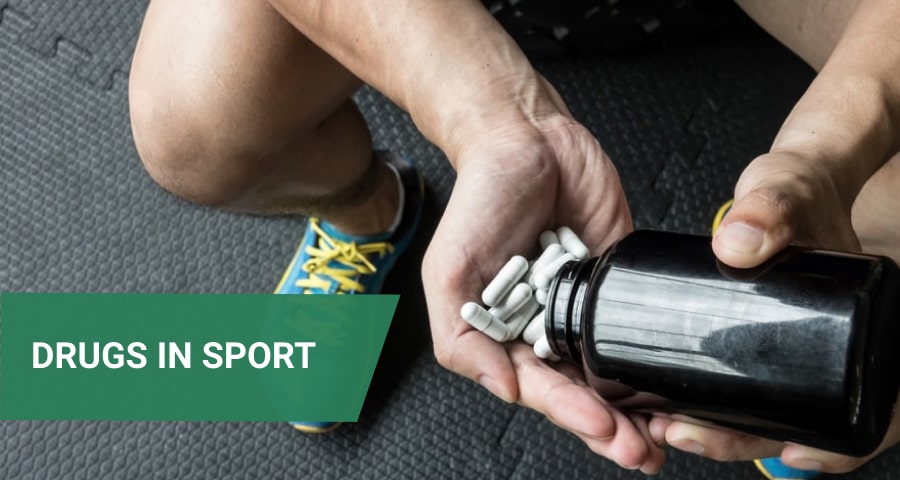
From Peak Performance to Personal Struggles: Addiction in the World of Sports

Professional sports are often associated with excellence, discipline, and peak physical performance. Athletes are celebrated for their ability to push limits, overcome obstacles, and perform under extreme pressure. However, behind the success stories, there is a less visible reality. Many athletes experience personal struggles with mental health challenges and addiction that develop gradually under constant pressure, injury recovery, and emotional strain. Understanding this shift from peak performance to personal struggle is essential for prevention, awareness, and recovery.

At Headsoccer, we provide compassionate, individualized addiction recovery and mental health treatment. Our programs include inpatient and outpatient care, evidence-based therapy, and holistic and faith-based approaches designed to support full-person healing. We focus on helping individuals rebuild stability, restore mental health, and create a sustainable path toward long-term recovery.

How Addiction Develops in the World of Sports

Addiction in athletes rarely begins with clear warning signs. It often starts as a coping mechanism for physical pain, emotional stress, or performance pressure. Over time, these coping behaviors can develop into dependency, especially when underlying mental health needs are not addressed.

The Pressure to Perform at a High Level

Athletes are expected to maintain consistent excellence, often with little room for error. This pressure can lead to anxiety, sleep difficulties, and emotional exhaustion. In some cases, substances may be used to manage stress or maintain focus, which increases the risk of dependency.

Injury Recovery and Pain Management Challenges

Injuries are common in sports and can significantly impact both physical and emotional health. Prescription medications are often part of recovery, but prolonged or unsupervised use can lead to substance dependence. The combination of pain, frustration, and isolation during recovery can increase vulnerability.

Mental Health Struggles Behind the Success

Depression, anxiety, and burnout are increasingly recognized in the sports world. However, many athletes feel pressure to hide these struggles to protect their careers or public image. Without proper support, untreated mental health conditions can contribute to substance use.

High Expectations and Emotional Isolation

Even in team environments, many athletes experience emotional isolation. Time away from family, demanding travel schedules, and constant public scrutiny can create a sense of disconnection that makes coping more difficult.

Recognizing Early Signs of Addiction in Athletes

Early recognition plays a critical role in effective recovery. Because athletes are trained to push through discomfort, signs of addiction can often be overlooked.

  • Sudden decline in performance or consistency
  • Withdrawal from teammates, coaches, or support systems
  • Mood swings, irritability, or emotional withdrawal
  • Increased secrecy or defensive behavior
  • Changes in sleep, energy levels, or motivation

Identifying these signs early can lead to timely intervention and better long-term outcomes.

The Connection Between Mental Health and Addiction

Mental health challenges and addiction often develop together. Stress, trauma, or unresolved emotional pain can increase the likelihood of substance use, while substance use can worsen mental health symptoms over time. This creates a cycle that is difficult to break without structured support.

Why Integrated Treatment Is Essential

Treating addiction without addressing mental health conditions often leads to incomplete recovery. At Headsoccer, we focus on integrated care that addresses both simultaneously, helping individuals achieve lasting stability and emotional wellness.

Recovery Pathways for Athletes and High-Pressure Individuals

Recovery is not a single event. It is a structured process that requires professional care, consistency, and support. At Headsoccer, treatment is designed to meet individuals where they are in their journey.

Personalized Treatment Planning

Each individual has unique needs. Personalized care plans are developed based on medical history, mental health conditions, substance use patterns, and personal recovery goals.

Evidence-Based Therapy

Therapeutic approaches such as cognitive behavioral therapy and individual counseling help individuals identify triggers, change harmful thought patterns, and develop healthier coping strategies.

Holistic and Faith-Based Support

Recovery is most effective when it supports the whole person. Holistic care may include mindfulness, physical wellness, nutrition, and spiritual support to restore balance and resilience.

Inpatient and Outpatient Care Options

Inpatient programs provide structured, immersive support for those needing intensive care. Outpatient programs offer flexibility while still providing consistent therapeutic guidance and accountability.

Aftercare and Long-Term Recovery Support

Sustained recovery depends on continued care. Aftercare programs, peer support, and ongoing counseling help individuals maintain progress and reduce the risk of relapse.

Moving From Peak Performance to Healing

The transition from peak performance to personal struggle can happen quietly, but recovery is always possible. With the right combination of support, structure, and compassionate care, individuals can regain control of their lives and rebuild both mental and physical well-being.

At Headsoccer, we are committed to walking alongside individuals through every stage of recovery. If you or someone you care about is struggling with addiction or mental health challenges, reaching out for help is the first and most important step toward healing and long-term recovery.

Inside the Struggle: How Addiction Quietly Impacts Elite Athletes

Elite athletes are often viewed as symbols of strength, focus, and control. Their performances are celebrated worldwide, and their discipline is admired by fans and aspiring players alike. However, behind the visibility of professional sports is a quieter reality that is rarely discussed. Many elite athletes face addiction and mental health challenges that develop gradually under the pressure of constant performance demands, physical strain, and public expectation. These struggles often remain hidden until they begin to significantly affect health, relationships, and careers.

At Headsoccer, we provide compassionate and individualized addiction recovery and mental health treatment. Our programs include inpatient and outpatient care, evidence-based therapy, and holistic and faith-based approaches designed to support full-person healing. We focus on helping individuals rebuild stability, emotional well-being, and long-term recovery.

Why Elite Athletes Are Vulnerable to Addiction

Addiction in elite sports rarely starts with obvious warning signs. It often begins with small coping behaviors that slowly increase over time. The environment of high-performance athletics can unintentionally create conditions where substance use becomes a hidden coping tool.

Constant Pressure to Perform

Elite athletes face continuous evaluation. Every game, match, or performance can influence contracts, reputation, and future opportunities. This level of pressure can lead to chronic stress, anxiety, and emotional exhaustion. Some athletes may turn to substances as a way to manage performance anxiety or sleep difficulties.

Physical Pain and Injury Recovery

Injuries are a natural part of sports, but recovery can be physically and emotionally demanding. Prescription medications are often part of treatment plans, yet they can carry a risk of dependency if not carefully monitored. What begins as legitimate pain management can gradually evolve into a deeper struggle.

Mental Health Struggles Behind the Scenes

Depression, anxiety, and burnout are common in elite sports, but they are often hidden due to stigma or fear of being seen as weak. Without support, athletes may internalize these challenges, increasing the likelihood of turning to substances for relief or escape.

High Visibility and Isolation

Even though athletes are constantly in the public eye, many experience emotional isolation. Time away from family, intense travel schedules, and pressure to maintain a strong public image can limit access to meaningful emotional support.

Recognizing the Early Signs of Addiction

Early awareness can make a significant difference in recovery outcomes. Because elite athletes are trained to push through discomfort, signs of addiction can be overlooked or dismissed.

  • Sudden changes in performance or consistency
  • Withdrawal from teammates, friends, or support systems
  • Mood swings, irritability, or emotional detachment
  • Increased secrecy or avoidance of conversations
  • Changes in sleep patterns, energy, or motivation

Recognizing these patterns early allows for timely intervention and support.

How Addiction Affects Mental Health and Performance

Addiction and mental health are deeply connected. Substance use may temporarily reduce stress or emotional pain, but over time it often worsens anxiety, depression, and cognitive performance. This creates a cycle where athletes feel trapped between maintaining performance and managing their emotional well-being.

The Cycle of Stress and Dependence

Stress leads to substance use, which leads to temporary relief, followed by increased emotional strain. Without intervention, this cycle can continue to escalate, affecting both personal life and professional performance.

Recovery Pathways for Elite Athletes

Recovery is a structured process that requires support, understanding, and personalized care. At Headsoccer, treatment is designed to address both addiction and the underlying mental health challenges that contribute to it.

Individualized Treatment Plans

Each athlete has unique needs. Personalized care ensures that treatment aligns with medical history, mental health concerns, and recovery goals.

Evidence-Based Therapy

Therapies such as cognitive behavioral therapy and one-on-one counseling help individuals understand triggers, develop healthier coping strategies, and rebuild emotional resilience.

Holistic and Faith-Based Healing

Recovery is most effective when it supports the whole person. Holistic care may include mindfulness, physical wellness, nutrition, and spiritual support to promote balance and stability.

Inpatient and Outpatient Care Options

Some individuals benefit from structured inpatient care that provides full-time support in a stable environment. Others may prefer outpatient programs that allow them to maintain daily responsibilities while receiving treatment.

Aftercare and Long-Term Support

Recovery does not end after treatment. Continued counseling, peer support, and relapse prevention strategies help individuals maintain progress and build a sustainable future.

Moving Forward With Understanding and Support

Addiction in elite sports is often hidden, but it is not uncommon. Behind every performance is a human being who may be dealing with pressure that is difficult to manage alone. With the right support, recovery is not only possible, it is achievable and sustainable.

At Headsoccer, we are committed to providing compassionate, professional care for individuals facing addiction and mental health challenges. If you or someone you care about is struggling, reaching out for help is the first step toward healing, stability, and long-term recovery.

When the Pressure Builds: Understanding Addiction Risks in Professional Sports

Professional sports are often defined by discipline, resilience, and high performance. Athletes train for years to compete at the highest level, but behind the success is a reality that is rarely discussed openly. The pressure to perform, recover quickly, and maintain peak physical condition can become overwhelming. For some athletes, this pressure creates conditions where substance use begins quietly and gradually develops into addiction. Understanding these risks is an important step toward prevention, early intervention, and lasting recovery.

At Headsoccer, we provide compassionate and individualized addiction recovery and mental health treatment. Our programs include inpatient and outpatient care, evidence-based therapy, and holistic and faith-based approaches designed to support healing on every level. We focus on helping individuals rebuild stability, strengthen mental health, and create sustainable recovery pathways.

Why Pressure in Sports Can Lead to Addiction Risks

The environment of professional sports is intense by nature. While it can build character and resilience, it can also create emotional strain that is difficult to manage without proper support. Over time, this strain can increase vulnerability to substance use.

Constant Performance Expectations

Athletes are expected to deliver consistent results regardless of personal challenges, injuries, or emotional stress. This ongoing pressure can lead to anxiety, burnout, and sleep difficulties. Some individuals may turn to substances as a way to cope or maintain performance levels, which can quickly become harmful.

Injury Recovery and Pain Management

Injuries are a normal part of athletic life, but recovery often involves significant physical and emotional discomfort. Prescription medications may be necessary for healing, yet they can carry a risk of dependency when used over time or without proper monitoring.

Mental Health Struggles in High-Performance Environments

Depression, anxiety, and emotional exhaustion are common among athletes, although they are not always visible. Many feel pressure to appear strong and unaffected, which can delay seeking help. Without support, these challenges can contribute to substance use as a coping mechanism.

Lifestyle and Environmental Influences

Travel schedules, team culture, and public visibility can also play a role. Social environments where substance use is normalized or overlooked can increase risk, especially when combined with isolation or stress.

Recognizing Early Warning Signs

Early identification of addiction risks can make a significant difference in recovery outcomes. Athletes and those around them should pay attention to behavioral and emotional changes.

  • Decline in performance or consistency
  • Withdrawal from teammates, friends, or family
  • Mood swings, irritability, or emotional distance
  • Increased secrecy or avoidance of conversations
  • Changes in sleep, energy, or focus

When these signs appear, it is important to respond with understanding and professional support rather than judgment.

How Recovery Supports Healing and Stability

Recovery is not simply about stopping substance use. It is about addressing the underlying causes, rebuilding mental health, and creating healthier coping strategies. At Headsoccer, treatment is designed to support the full recovery process.

Individualized Treatment Plans

Every person’s experience with addiction is different. Personalized care plans ensure treatment is aligned with specific needs, goals, and mental health considerations.

Evidence-Based Therapy

Therapeutic approaches such as cognitive behavioral therapy and individual counseling help individuals understand triggers, change thought patterns, and build healthier responses to stress.

Holistic and Faith-Based Care

Recovery is most effective when it supports the whole person. Holistic care may include mindfulness, nutrition support, physical wellness, and spiritual guidance to promote balance and long-term stability.

Inpatient and Outpatient Programs

Some individuals benefit from structured inpatient care, which provides a safe and focused environment for recovery. Others may choose outpatient programs that offer flexibility while maintaining consistent therapeutic support.

Ongoing Aftercare and Support

Long-term recovery requires continued care. Aftercare programs, peer support, and ongoing counseling help individuals maintain progress and navigate challenges as they return to daily life.

Moving Forward With Support and Understanding

The pressures of professional sports are real, but they do not have to lead to long-term struggle. With early recognition, compassionate support, and comprehensive treatment, athletes and high-performing individuals can recover and regain control of their health and future.

At Headsoccer, we are committed to providing care that is respectful, personalized, and focused on lasting healing. If you or someone you care about is facing challenges with addiction or mental health, reaching out for help is the first step toward recovery.

Beyond the Spotlight: Supporting Athletes Through Addiction Recovery

Professional athletes are often seen as symbols of strength, discipline, and success. Their achievements are celebrated on the field, in arenas, and across media platforms. Yet beyond the spotlight, many athletes face private battles with addiction and mental health challenges that are rarely visible to the public. The pressure to perform, recover quickly from injuries, and maintain a flawless image can create an environment where substance use develops quietly and progressively. Understanding this reality is essential to supporting meaningful recovery.

At Headsoccer, we provide compassionate and individualized addiction recovery and mental health treatment. Our approach includes inpatient and outpatient care, evidence-based therapy, and holistic and faith-based support designed to treat the whole person. We focus on helping individuals rebuild stability, health, and purpose beyond addiction.

The Reality Behind Athletic Pressure

Athletes operate in high-performance environments where expectations are constant and intense. While success can be rewarding, the pressure that comes with it can also be overwhelming. Over time, this pressure can affect mental health and increase vulnerability to substance use.

Constant Performance Expectations

Athletes are expected to maintain peak performance with little room for error. This ongoing demand can create anxiety, self-doubt, and emotional fatigue. Some individuals turn to substances as a way to cope with stress or maintain focus, which can eventually lead to dependency.

Injuries and Physical Recovery Challenges

Injuries are a normal part of sports, but recovery can be physically and emotionally draining. Prescription medications may be necessary for pain management, but without proper oversight, they can contribute to long-term substance use issues.

Mental Health Struggles Behind Closed Doors

Depression, anxiety, and burnout are common among athletes, yet they often go unspoken. Many feel pressure to appear strong, which can delay seeking help. Without proper support, mental health challenges can deepen and contribute to addiction.

Recognizing When Support Is Needed

Early identification of substance use and mental health concerns can significantly improve recovery outcomes. Athletes, coaches, and families should be aware of early warning signs.

  • Noticeable changes in performance or motivation
  • Withdrawal from teammates, friends, or family
  • Increased secrecy or defensiveness
  • Mood swings, irritability, or emotional instability
  • Changes in sleep, energy, or behavior patterns

Recognizing these signs early allows for timely intervention and professional support.

How Recovery Works Beyond the Spotlight

Recovery is not a single moment of change. It is a structured and supported process that addresses physical, emotional, and psychological needs. At Headsoccer, we design treatment plans that meet each individual where they are.

Personalized Treatment Planning

Every athlete has a different story. Personalized care ensures that treatment is tailored to specific needs, including substance use patterns, mental health conditions, and personal goals.

Evidence-Based Therapy and Counseling

Therapeutic approaches such as cognitive behavioral therapy and individual counseling help individuals understand triggers, develop healthier coping mechanisms, and rebuild emotional resilience.

Holistic and Faith-Based Support

Recovery extends beyond clinical treatment. Holistic care includes mindfulness practices, physical wellness, nutrition support, and spiritual guidance to promote balance and overall well-being.

Inpatient and Outpatient Care Options

Some individuals benefit from structured inpatient treatment, while others may require the flexibility of outpatient care. Both options provide professional support while allowing recovery to progress in a safe and supportive environment.

Ongoing Aftercare and Support Systems

Long-term recovery depends on continued care. Aftercare programs, peer support, and ongoing counseling help individuals maintain progress and reduce the risk of relapse while rebuilding their lives.

Moving Toward Healing and Stability

Addiction and mental health challenges do not define an athlete’s identity or future. With the right care, recovery is not only possible but sustainable. Healing requires compassion, structure, and a support system that understands the unique pressures athletes face.

At Headsoccer, we are committed to supporting individuals beyond the spotlight. Our goal is to help clients regain control of their lives through personalized care, mental health support, and holistic healing approaches. If you or someone you care about is struggling with addiction, reaching out for help is the first step toward lasting recovery.