Monthly Archives: January 2026

Beyond the Field: How Mental Health and Addiction Intertwine for Professional Athletes

Professional athletes often inspire admiration for their strength, discipline, and skill. What is less visible, however, are the mental and emotional challenges that can accompany high-level competition. Anxiety, depression, and stress are common experiences for athletes who are constantly under pressure to perform. For some, these challenges can lead to unhealthy coping mechanisms, including substance use and addiction. Understanding the connection between mental health and addiction is critical for providing effective support and fostering recovery.

At Headsoccer, we recognize that addiction and mental health issues are often intertwined. Our programs combine compassionate care, evidence-based therapies, and holistic approaches to help athletes address the root causes of their struggles. Through individualized inpatient and outpatient treatment, we guide clients toward long-term recovery and overall well-being.

The Link Between Mental Health and Addiction in Athletes

Athletes face unique stressors that can affect both mental health and the risk of addiction. The pressure to maintain peak performance, manage injuries, and handle public scrutiny can create significant emotional strain. When mental health challenges go unaddressed, some athletes turn to substances as a way to cope, which can escalate into addiction over time.

Common Mental Health Challenges

  1. Performance Anxiety: Fear of failure or underperforming can lead to chronic stress and self-doubt.
  2. Depression: High expectations and career setbacks can contribute to persistent sadness or loss of interest in activities.
  3. Post-Injury Stress: Recovering from injuries often comes with frustration, isolation, and emotional strain.
  4. Burnout: Long seasons, travel demands, and intense training schedules can lead to exhaustion and decreased motivation.

When these challenges coincide with substance use, the cycle of mental health decline and addiction can become difficult to break without professional intervention.

Recognizing the Signs

Early identification of mental health issues and substance use is essential for effective intervention. Signs may include:

  • Sudden changes in performance or commitment
  • Withdrawal from teammates, family, or friends
  • Increased reliance on alcohol, prescription drugs, or other substances
  • Mood swings, irritability, or unexplained fatigue

Recognizing these behaviors and seeking help promptly can prevent long-term consequences and support the athlete’s recovery journey.

Comprehensive Recovery Approaches

Recovery for athletes requires a holistic approach that addresses both mental health and addiction. At Headsoccer, our programs integrate therapy, medical support, and individualized care plans designed to meet each client’s unique needs.

Key Components of Treatment

  1. Individualized Care Plans: Treatment programs are tailored to the athlete’s specific challenges, including mental health conditions, type of addiction, and personal goals.
  2. Therapeutic Support: Evidence-based therapies such as cognitive behavioral therapy, group counseling, and individual counseling help clients develop healthy coping strategies.
  3. Holistic and Faith-Based Approaches: Mindfulness, meditation, nutrition, and spiritual support complement traditional treatment, promoting balance and well-being.
  4. Inpatient and Outpatient Options: Structured inpatient care provides intensive support, while outpatient programs allow for flexibility while maintaining progress.
  5. Ongoing Aftercare: Long-term recovery is supported through follow-up counseling, peer support groups, and life skills training.

Moving Forward Beyond the Field

Mental health challenges and addiction do not have to define an athlete’s career or personal life. With the right support, recovery is possible, allowing athletes to regain control of their health, relationships, and performance. Seeking help early is a critical step toward long-term wellness.

At Headsoccer, we are committed to helping every client navigate the complex relationship between mental health and addiction. If you or someone you care about is struggling, reach out today to learn more about our compassionate, individualized programs. Taking that first step can lead to a healthier, more balanced life on and off the field.
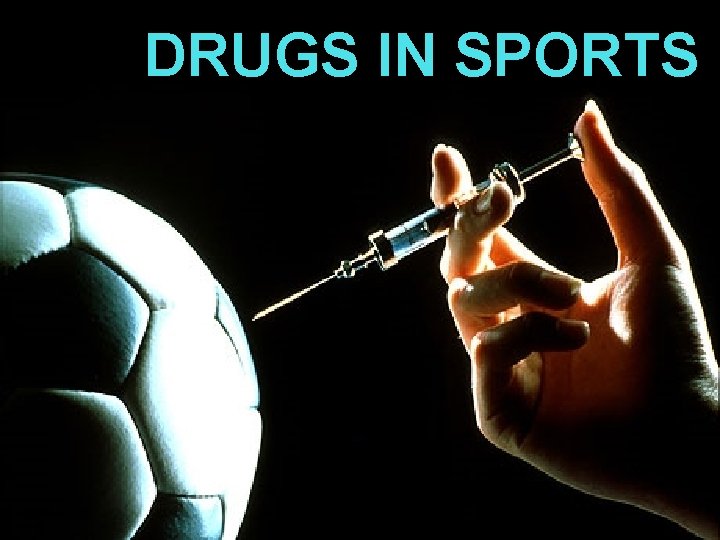
When Performance Pressure Turns to Pain: Recognizing Substance Use and Addiction in Athletes

Professional athletes are admired for their strength, skill, and dedication. Fans celebrate their achievements, often unaware of the intense pressures that athletes face behind the scenes. The demand to perform at the highest level, combined with physical pain, injuries, and public scrutiny, can lead some athletes to unhealthy coping mechanisms, including substance use. Recognizing the signs of addiction early is critical, as timely intervention can prevent long-term consequences and support a path to recovery.

At Headsoccer, we understand the unique challenges athletes face. Our programs provide compassionate, individualized care that integrates addiction recovery, mental health treatment, and holistic support. We work with athletes at every stage of recovery, offering inpatient and outpatient care designed to help them regain control of their health and their lives.

Understanding Addiction in Athletes

Addiction does not discriminate. Athletes, despite their discipline and physical conditioning, are not immune to substance use disorders. In many cases, addiction develops as a response to performance pressure, injuries, or mental health challenges. The combination of physical strain, competitive stress, and societal expectations creates a high-risk environment for substance misuse.

Common Contributing Factors

  1. Performance Pressure: Athletes constantly strive to meet or exceed expectations, leading to stress, anxiety, and burnout.
  2. Injury and Pain Management: Prescription medications for pain can sometimes lead to dependency if not monitored closely.
  3. Mental Health Struggles: Depression, anxiety, and other mental health challenges often coincide with addiction.
  4. Environmental Influences: Team culture, sponsorship obligations, and social events can sometimes normalize substance use.

Signs of Substance Use and Addiction

Identifying addiction early is essential for effective intervention. Some signs that an athlete may be struggling include:

  • Sudden changes in performance or motivation
  • Withdrawal from teammates, friends, or family
  • Mood swings, irritability, or emotional instability
  • Secretive behavior around medication or substance use

Recognizing these signs can help athletes, coaches, and families take action before substance use escalates into more serious problems.

Pathways to Recovery

Recovery is a journey that requires personalized care and ongoing support. At Headsoccer, we emphasize a comprehensive approach that addresses the physical, emotional, and spiritual aspects of addiction. Our programs combine evidence-based treatments with holistic therapies to support long-term healing.

Core Elements of Effective Treatment

  1. Individualized Care Plans: Every athlete’s circumstances and needs are unique. Treatment plans are tailored to address specific challenges, type of addiction, and mental health considerations.
  2. Therapeutic Support: Counseling, cognitive behavioral therapy, and group sessions provide tools to manage triggers and develop healthy coping strategies.
  3. Holistic Approaches: Mindfulness, physical fitness, nutrition, and spiritual care complement traditional therapy and promote overall well-being.
  4. Inpatient and Outpatient Options: Depending on the severity of addiction and personal needs, athletes can choose structured inpatient programs or flexible outpatient care.
  5. Aftercare and Support: Recovery continues beyond treatment. Ongoing coaching, support groups, and life skills training help maintain sobriety and balance in daily life.

Moving Forward with Confidence

Substance use and addiction can profoundly impact an athlete’s career and personal life, but recovery is possible. With the right support, athletes can regain control over their health, relationships, and performance. Recognizing the early signs of addiction and seeking professional help is the first step toward lasting change.

At Headsoccer, we are committed to guiding every individual toward recovery with compassion, expertise, and personalized care. If you or someone you care about is struggling with substance use or addiction, reach out to us today. Taking that first step can lead to a healthier, more balanced life and the opportunity to thrive both on and off the field.

The Silent Injury: Navigating the Complexities of Addiction in Professional Sports

In the world of professional athletics, we are trained to push through pain, ignore exhaustion, and maintain an image of unbreakable strength. However, when addiction strikes professional athletes, it is an injury that cannot be taped up or managed with standard physical therapy. For many elite competitors, the very traits that lead to success—high pain tolerance, risk-taking behavior, and a relentless drive for dopamine—can also create a vulnerability to substance use. At Head Soccer, we recognize that the path to recovery for an athlete requires a specialized, professional approach. We provide a compassionate environment where the “silent injury” of addiction is treated with the same clinical rigor and dedication as a career-threatening physical ailment.

Why Athletes are Uniquely Vulnerable to Addiction

The transition from the pitch or the court to everyday life can be jarring. Professional sports provide a high-intensity environment that is difficult to replicate elsewhere. When the game ends, whether due to the off-season, injury, or retirement, many athletes struggle to find a healthy way to manage the sudden drop in adrenaline and purpose.

Furthermore, the physical toll of professional sports often leads to the use of prescription painkillers. What begins as legitimate medical treatment for a sports injury can, for some, evolve into a dependency that feels impossible to control. Understanding these unique physiological and psychological triggers is the foundation of our addiction recovery services.

A Comprehensive Approach to Athlete Wellness

We believe that treating an athlete requires an understanding of their specific lifestyle and the pressures they face from fans, media, and management. Our treatment plans are not one size fits all; they are individualized to meet the person where they are in their career and their life.

Mental Health Treatment and the Dual Diagnosis

Addiction in sports rarely exists in isolation. It is often a coping mechanism for underlying mental health challenges such as performance anxiety, depression, or the trauma of a career-ending injury. Our professional team focuses on dual diagnosis care, ensuring that we treat the addiction and the mental health disorder simultaneously. By addressing the “why” behind the use, we help athletes develop healthier coping strategies that don’t involve substances.

Inpatient and Outpatient Care for Competitors

Choosing the right level of care is essential for maintaining both health and professional standing.

  • Inpatient Care: For those in need of a complete reset, our inpatient programs provide a discrete and structured environment where athletes can focus entirely on stabilization and healing away from the public eye.
  • Outpatient Care: We also offer flexible outpatient services that allow athletes to continue their recovery work while maintaining their training schedules or transitioning back into their team environments.

Integrating Holistic and Faith-Based Healing

Recovery is about more than just clinical sessions; it is about restoring the spirit. We offer holistic and faith-based approaches for athletes who want to reconnect with their sense of purpose and spiritual grounding.

By incorporating mindfulness, nutritional support, and spiritual guidance, we help our clients find a sense of harmony that exists outside of their athletic performance. Rebuilding an identity that is not solely tied to a jersey number or a win-loss record is a vital part of long-term healing.

Reclaiming Your Life Beyond the Game

If you are an athlete struggling with substance use, it is important to know that seeking help is a sign of elite leadership, not a lack of grit. Reclaiming your life from addiction is the greatest comeback you will ever make.

Practical steps for athletes in recovery include:

  • Building a Sober Support Team: Surrounding yourself with people who prioritize your health over your performance.
  • Prioritizing Mental Health: Viewing therapy as a form of “mental conditioning” essential for long-term success.
  • Establishing New Routines: Finding healthy ways to stimulate the brain’s reward system through new hobbies or community service.

Your Path to Recovery at Head Soccer

At Head Soccer, we are dedicated to helping professional athletes and high-level performers navigate the complexities of addiction. We offer the professional expertise, compassionate care, and athlete-centered focus you need to overcome dependency and strengthen your mental health.

If you or a teammate is ready to address the “silent injury” and move toward a life of lasting sobriety, we invite you to reach out for a confidential consultation. Our team understands your world, and we are ready to help you win this battle. Contact Head Soccer today and take the first step toward reclaiming your health and your future.

Would you like me to help you coordinate a confidential assessment that takes into account the specific privacy needs of a professional sports environment?

Behind the Game Face: How Addiction Impacts Professional Athletes and What Recovery Looks Like

Professional athletes are often seen as the embodiment of strength, discipline, and resilience. Fans admire their skill and dedication, but behind the spotlight, many athletes struggle with challenges that remain hidden from public view. One of the most serious of these challenges is addiction. Substance use, gambling, and behavioral addictions can affect athletes just as they do anyone else, but the pressures of professional sports can make the problem more complex and difficult to address.

At Headsoccer, we understand that addiction is not a sign of weakness. It is a treatable health condition that requires compassion, expertise, and individualized care. Our programs are designed to support athletes and non-athletes alike in reclaiming their lives through evidence-based treatment, holistic approaches, and personalized recovery plans.

Understanding Addiction in Professional Athletes

Athletes face unique pressures that can contribute to addictive behaviors. Performance expectations, public scrutiny, injuries, and intense training schedules can create stress that sometimes leads to unhealthy coping mechanisms. Drugs, alcohol, prescription medications, and even gambling can become tools for managing pain, anxiety, or the demands of high-level competition.

Common Factors That Contribute to Addiction

  1. Performance Pressure: Athletes are often under constant pressure to succeed, which can lead to stress and burnout.
  2. Physical Pain and Injuries: Long-term injuries may result in the use of prescription painkillers, which can escalate into dependency.
  3. Lifestyle and Social Environment: The social settings around professional sports, including celebrations, sponsorships, and travel, can encourage substance use.
  4. Mental Health Challenges: Anxiety, depression, and other mental health conditions often co-occur with addiction, creating a cycle that is difficult to break without professional help.

Recognizing the Signs of Addiction

Early recognition is critical. Some signs that a professional athlete may be struggling include sudden changes in performance, withdrawal from teammates or family, secrecy around habits, or emotional instability. Identifying these signs and seeking help promptly can prevent addiction from worsening and support long-term recovery.

What Recovery Looks Like

Recovery is a journey, not a single event. At Headsoccer, our programs integrate medical care, therapy, and holistic practices to address the full scope of an athlete’s needs. Whether through inpatient care, outpatient programs, or faith-based and holistic treatments, our goal is to provide comprehensive support.

Key Components of Effective Recovery

  1. Individualized Treatment Plans: Every athlete’s situation is unique. We develop customized programs that consider medical history, type of addiction, mental health, and personal goals.
  2. Therapeutic Support: Evidence-based therapies, including cognitive behavioral therapy and counseling, help athletes address underlying causes of addiction.
  3. Holistic Approaches: Nutrition, exercise, mindfulness, and spiritual care complement traditional therapy to promote overall well-being.
  4. Ongoing Aftercare: Recovery does not end with a program. Continued support, group therapy, and life skills coaching ensure athletes maintain sobriety and balance after treatment.

Moving Forward with Hope

Addiction does not have to define a professional athlete’s life or career. With the right support, recovery is possible. Athletes can regain control over their health, relationships, and performance, emerging stronger both on and off the field.

At Headsoccer, we are committed to walking alongside every individual facing addiction. If you or someone you care about is struggling, reaching out for help is the first step toward lasting change. Contact us today to learn more about our compassionate, personalized approach to addiction recovery and mental health support.