Monthly Archives: September 2025

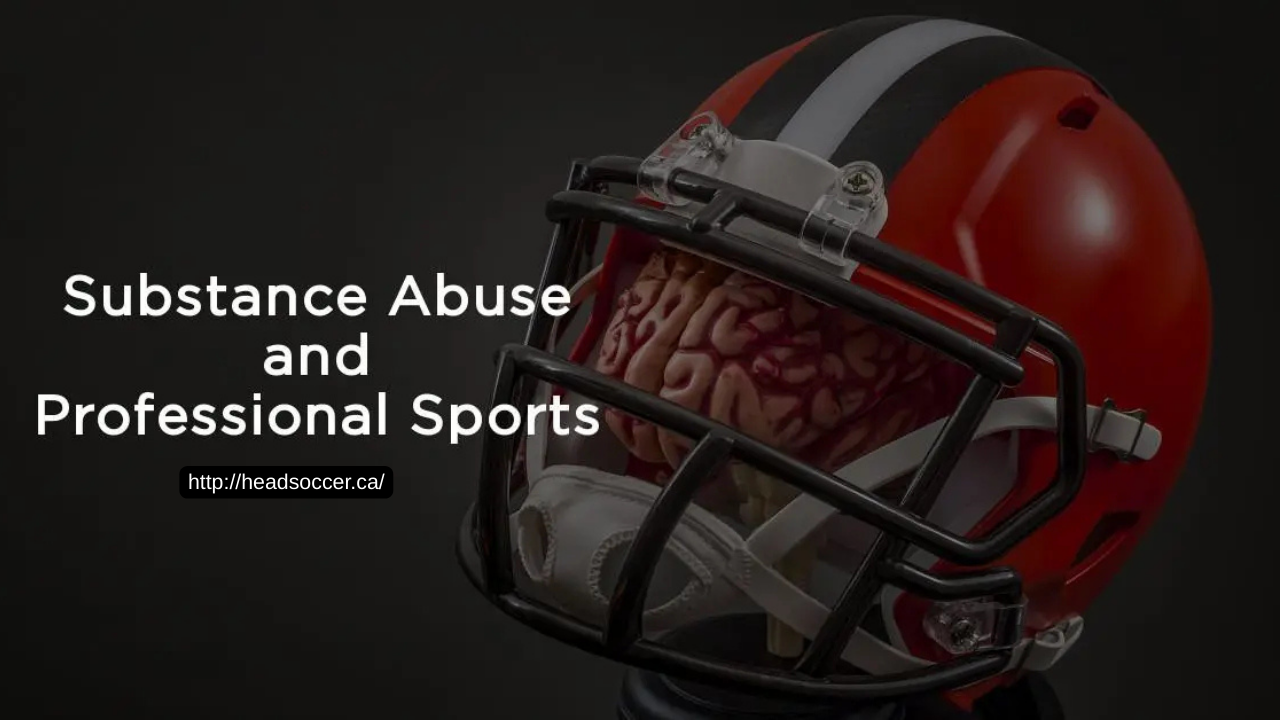
Beneath the Jersey: Substance Abuse in the High-Stakes World of Sports

When fans see athletes take the field, they see strength, confidence, and determination. The roar of the crowd, the bright lights, and the pursuit of victory all paint a picture of success. Yet beneath the jersey and away from the spotlight, many athletes struggle with a very different reality. The intense demands of professional sports often push players toward substances that promise relief or performance enhancement but ultimately lead to dangerous cycles of addiction.

The Pressure Cooker of Professional Sports

The stakes in elite athletics are extraordinarily high. Careers depend on flawless performance, winning seasons, and lucrative contracts. Injuries are common, and the pressure to recover quickly can result in heavy reliance on prescription painkillers. In some cases, stimulants are used to maintain energy, while recreational substances provide temporary escape from stress and scrutiny. For many athletes, these coping mechanisms quickly spiral into dependence.

Mental and Emotional Struggles

Beyond the physical demands, athletes also face significant mental health challenges. Anxiety, depression, and burnout often accompany the lifestyle of constant competition. The fear of failure or the weight of public expectations can be overwhelming. Instead of seeking open support, many athletes internalize their pain, turning to drugs or alcohol to numb difficult emotions. Without proper treatment, what begins as short-term relief can develop into long-term addiction.

The Hidden Cost of Success

While fans and media celebrate an athlete’s achievements, the hidden costs of their journey often go unnoticed. Substance abuse can lead to declining performance, strained relationships, and even the premature end of promising careers. Some athletes lose not only their livelihood but also their sense of identity once addiction takes hold. This reality underscores the importance of addressing substance use as a health issue rather than a moral failing.

Breaking the Stigma

In sports, toughness is often equated with silence. Admitting to struggles with addiction can feel like weakness in an environment that prizes endurance and resilience. This stigma keeps many athletes from seeking the care they need. However, real strength lies in facing the truth and taking steps toward recovery. By encouraging open conversations and offering support, the sports community can help break this cycle of silence.

Pathways to Healing

Recovery requires more than simply stopping substance use. True healing addresses the mind, body, and spirit. Effective treatment options include:

  • Inpatient and outpatient care to provide structure and flexibility depending on the severity of addiction.
  • Mental health counseling to work through trauma, depression, or anxiety.
  • Holistic therapies such as mindfulness, physical activity, and nutritional support to restore balance.
  • Faith-based and individualized approaches that honor each person’s values and unique needs.

These comprehensive methods empower athletes to rebuild their lives, both on and off the field.

Choosing Hope Beyond the Game

Addiction does not define an athlete’s story. With the right support, recovery is possible, and life after addiction can be filled with new purpose and freedom. At Head Soccer Recovery, we are committed to helping individuals find healing through compassionate, personalized care.

If you or someone you love is struggling with substance abuse, now is the time to take action. Reach out today and begin the journey toward recovery. Beneath the jersey is a person who deserves hope, healing, and a future beyond addiction.


When the Game Ends: Addiction and the Private Battles of Elite Athletes

The world sees elite athletes as icons of strength, discipline, and perseverance. Their victories are celebrated, their talent admired, and their careers often glorified. Yet when the stadium lights fade and the applause stops, many athletes face a very different reality. Away from the spotlight, countless professionals struggle with addiction, depression, and the emotional toll of life after sports. For some, the end of their career becomes the beginning of a silent battle with substances that few outsiders ever witness.

The Pressure Behind the Performance

Professional sports demand relentless dedication. Athletes push their bodies to the limit, sacrificing personal time, health, and often their mental well-being to achieve success. With so much pressure to perform, injuries and chronic pain are inevitable. To cope, many turn to prescription painkillers or stimulants, opening the door to dependency. At the same time, the intense scrutiny of media, fans, and sponsors leaves little room for vulnerability. Instead of asking for help, many athletes mask their struggles, fueling a cycle of hidden addiction.

Life After Retirement: A Difficult Transition

Retirement from professional sports is rarely easy. For many athletes, the game has defined their identity for decades. Without it, they can feel lost, purposeless, or disconnected from the community that once supported them. This emotional void can lead to depression, anxiety, and a reliance on drugs or alcohol as a coping mechanism. The absence of structure, routine, and constant training only intensifies these challenges, leaving many former athletes battling in silence.

Mental Health and Stigma

Mental health has long been overlooked in the world of sports. Athletes are expected to embody toughness, both physically and emotionally, which often discourages them from speaking openly about their struggles. The stigma surrounding addiction compounds the problem, creating fear that admitting to substance use will damage reputations or end careers prematurely. This silence prevents many from seeking the treatment and support they desperately need.

Pathways to Recovery: Rebuilding Life Beyond Sports

The good news is that recovery is possible, and countless athletes have proven that life after addiction can be filled with purpose and hope. Through specialized addiction recovery services, former athletes can address both the physical and psychological aspects of their struggles.

Comprehensive Care Matters

Effective treatment goes beyond detox. It often includes:

  • Mental health support to address depression, anxiety, or trauma.
  • Inpatient and outpatient care tailored to the intensity of the individual’s needs.
  • Holistic therapies such as mindfulness, fitness programs, and nutritional support to restore balance.
  • Faith-based and individualized approaches that connect people to their values and strengthen resilience.

By combining these methods, athletes learn not only to break free from addiction but also to build a healthier, more meaningful life beyond the game.

A Message of Hope

Addiction is not a sign of weakness, nor does it erase the achievements of an athlete’s career. It is a human struggle, one that many face quietly and courageously. Seeking help is the first step toward healing and reclaiming life’s purpose.

If you or someone you love is struggling with addiction, know that compassionate, professional support is available. At Head Soccer Recovery, we believe in personalized care that treats the whole person, not just the symptoms of addiction. Every story of struggle can become a story of redemption, and every ending can lead to a new beginning.

Under Pressure: Why Pro Athletes Turn to Drugs Behind the Scenes

The world of professional sports is one of triumph, discipline, and sacrifice. To fans, athletes appear unstoppable, driven by passion and raw talent. Yet the reality behind the scenes is far more complex. The relentless pressure to succeed, combined with physical injuries and emotional strain, often leads athletes to seek unhealthy ways to cope. Drug use, while hidden from the public eye, has become a serious issue that affects not just performance but also health and quality of life. At Head Soccer Recovery, we provide compassionate, individualized care to help athletes and others break free from addiction and rediscover balance.

The Unrelenting Pressure of Professional Sports

Performance at Any Cost

Athletes are trained from a young age to strive for perfection. Each game, season, and contract carries immense weight, making failure feel like it is not an option. This pressure can drive athletes to use stimulants, painkillers, or alcohol as a way to keep performing, mask exhaustion, or escape overwhelming stress. What begins as an occasional coping mechanism can quickly spiral into dependency.

Coping With Injuries and Pain

Injuries are inevitable in sports. From torn ligaments to recurring back pain, the physical demands take a toll on even the strongest athletes. Prescription pain medication is often used to manage these injuries, but prolonged use increases the risk of addiction. Many athletes push themselves to return to competition before fully healing, deepening their reliance on substances to function.

The Mental Health Connection

The Silent Struggle

The connection between mental health and substance abuse is clear. Anxiety, depression, and feelings of isolation can drive athletes toward drugs or alcohol as a form of self-medication. Unfortunately, the culture of toughness in sports discourages open conversations about mental health. This silence leaves many athletes without the support they need at the moment they need it most.

Breaking the Stigma

At Head Soccer Recovery, we believe that acknowledging mental health challenges is a sign of strength, not weakness. By addressing the underlying emotional struggles alongside substance use, we help clients build healthier coping skills and create lasting recovery. Our approach integrates therapy, medical support, and holistic care to ensure that healing addresses the whole person.

A Holistic Approach to Recovery

Individualized Treatment Plans

No two journeys are alike. That is why we provide personalized treatment that combines evidence-based therapies with holistic practices such as mindfulness, nutrition, and fitness. For those who find strength in spirituality, faith-based counseling is also available. This comprehensive care ensures that recovery addresses both physical healing and emotional well-being.

Flexible Care Options

Some individuals benefit from the structure of inpatient care, while others may thrive in outpatient programs that allow them to maintain personal responsibilities. At Head Soccer Recovery, we offer both options, along with aftercare planning to support long-term success. Our team works closely with each client to identify the best path forward.

Finding Hope Beyond the Pressure

Recovery is not just about breaking free from substances. It is about rediscovering purpose, health, and balance. Many athletes who once turned to drugs under pressure now share stories of resilience and redemption. Their journeys prove that healing is possible and that a life beyond addiction is within reach.

If you or someone you love is struggling with substance use, do not wait in silence. Contact Head Soccer Recovery today. Together, we can help you find strength, healing, and a future filled with