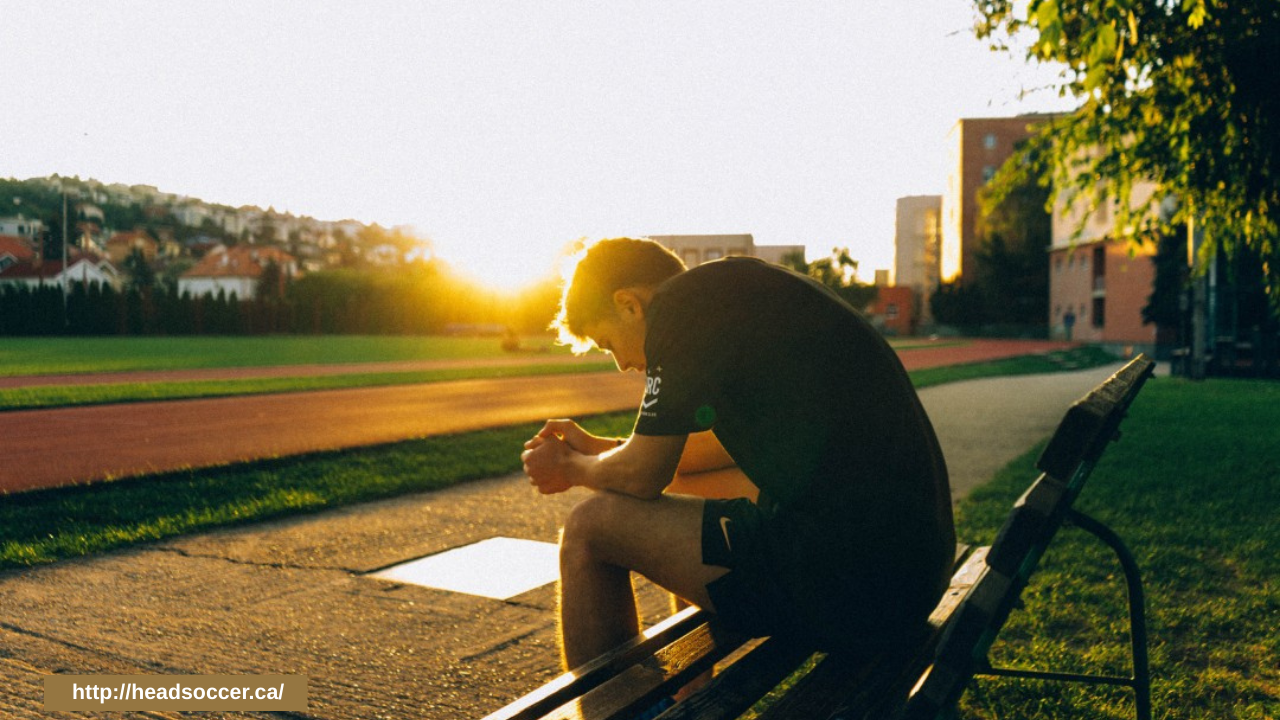
The world sees elite athletes as icons of strength, discipline, and perseverance. Their victories are celebrated, their talent admired, and their careers often glorified. Yet when the stadium lights fade and the applause stops, many athletes face a very different reality. Away from the spotlight, countless professionals struggle with addiction, depression, and the emotional toll of life after sports. For some, the end of their career becomes the beginning of a silent battle with substances that few outsiders ever witness.
The Pressure Behind the Performance
Professional sports demand relentless dedication. Athletes push their bodies to the limit, sacrificing personal time, health, and often their mental well-being to achieve success. With so much pressure to perform, injuries and chronic pain are inevitable. To cope, many turn to prescription painkillers or stimulants, opening the door to dependency. At the same time, the intense scrutiny of media, fans, and sponsors leaves little room for vulnerability. Instead of asking for help, many athletes mask their struggles, fueling a cycle of hidden addiction.
Life After Retirement: A Difficult Transition
Retirement from professional sports is rarely easy. For many athletes, the game has defined their identity for decades. Without it, they can feel lost, purposeless, or disconnected from the community that once supported them. This emotional void can lead to depression, anxiety, and a reliance on drugs or alcohol as a coping mechanism. The absence of structure, routine, and constant training only intensifies these challenges, leaving many former athletes battling in silence.
Mental Health and Stigma
Mental health has long been overlooked in the world of sports. Athletes are expected to embody toughness, both physically and emotionally, which often discourages them from speaking openly about their struggles. The stigma surrounding addiction compounds the problem, creating fear that admitting to substance use will damage reputations or end careers prematurely. This silence prevents many from seeking the treatment and support they desperately need.
Pathways to Recovery: Rebuilding Life Beyond Sports
The good news is that recovery is possible, and countless athletes have proven that life after addiction can be filled with purpose and hope. Through specialized addiction recovery services, former athletes can address both the physical and psychological aspects of their struggles.
Comprehensive Care Matters
Effective treatment goes beyond detox. It often includes:
- Mental health support to address depression, anxiety, or trauma.
- Inpatient and outpatient care tailored to the intensity of the individual’s needs.
- Holistic therapies such as mindfulness, fitness programs, and nutritional support to restore balance.
- Faith-based and individualized approaches that connect people to their values and strengthen resilience.
By combining these methods, athletes learn not only to break free from addiction but also to build a healthier, more meaningful life beyond the game.
A Message of Hope
Addiction is not a sign of weakness, nor does it erase the achievements of an athlete’s career. It is a human struggle, one that many face quietly and courageously. Seeking help is the first step toward healing and reclaiming life’s purpose.
If you or someone you love is struggling with addiction, know that compassionate, professional support is available. At Head Soccer Recovery, we believe in personalized care that treats the whole person, not just the symptoms of addiction. Every story of struggle can become a story of redemption, and every ending can lead to a new beginning.