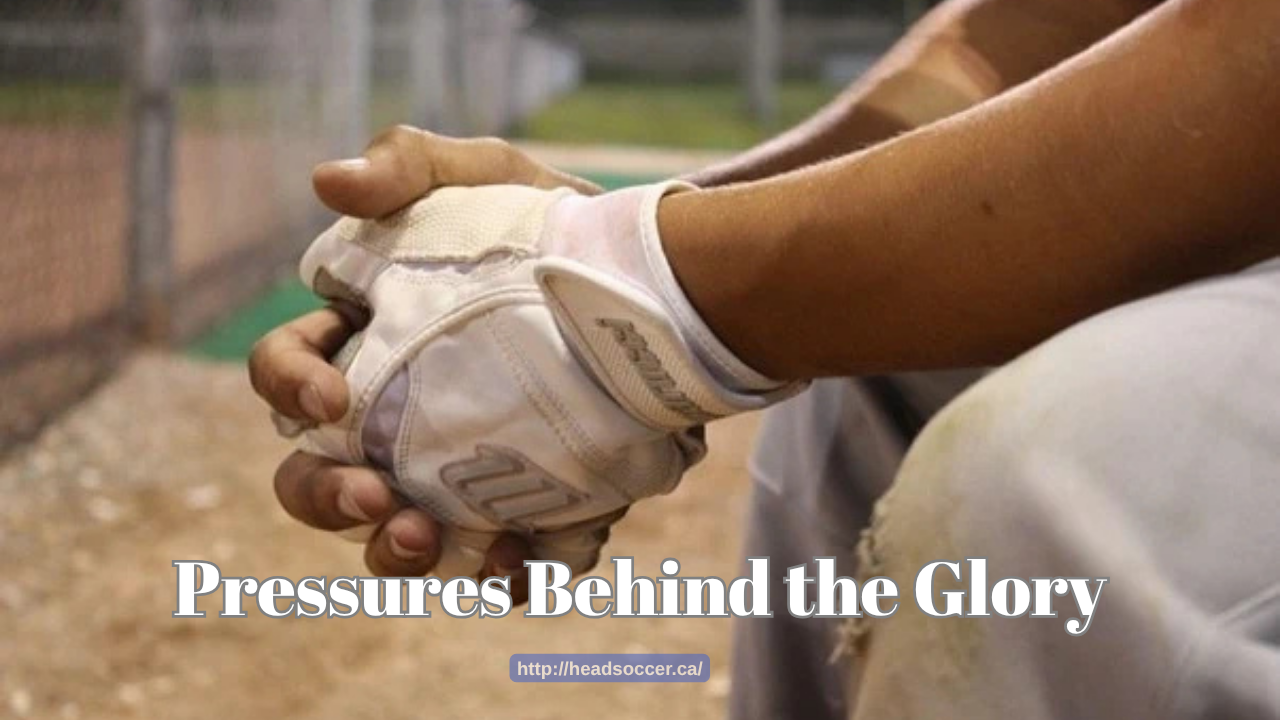
Athletes are often celebrated as symbols of strength, discipline, and excellence. From championship trophies to record-breaking performances, the world sees their success as the ultimate reward for hard work. Yet beneath the surface lies a reality few discuss openly. The pressure to perform, the physical toll of competition, and the struggle to maintain an image of perfection can push athletes toward substance use. Addiction among athletes is not always visible, but it is a very real battle that affects careers, families, and lives.
The Pressures Behind the Glory
Behind every victory is a lifestyle built on relentless training, strict schedules, and constant public scrutiny. Athletes are expected to play through pain, recover quickly from injuries, and live up to the expectations of fans, coaches, and sponsors. This intense pressure often leads to reliance on prescription painkillers, stimulants, or alcohol to cope. What begins as a temporary fix can slowly develop into dependency, trapping athletes in a cycle they struggle to escape.
The Mental and Emotional Toll
It is not only physical demands that make athletes vulnerable. The emotional weight of competition is immense. Anxiety, performance pressure, and fear of failure can be overwhelming. In a culture that equates toughness with silence, many athletes choose not to seek mental health support. Instead, they turn to substances as a way to numb the stress. Over time, this silence deepens the problem and prevents athletes from getting the help they need.
The Hidden Consequences of Addiction
Substance abuse does not just affect an athlete’s performance. It impacts every aspect of life. Relationships with family and friends suffer. Careers that took decades to build can crumble in an instant. Financial stability, physical health, and personal identity are all at risk. For many athletes, the fall from the spotlight is devastating. What the public rarely sees is the private suffering that leads to this decline.
Breaking Through the Stigma
One of the greatest barriers to recovery is stigma. Athletes often fear that admitting to addiction will damage their reputation or end their career. This fear keeps them locked in secrecy, even as the situation worsens. By breaking the silence and recognizing that addiction is a health issue, not a moral failing, more athletes can be encouraged to seek help. Recovery requires courage, and seeking treatment is a sign of strength, not weakness.
The Path to Recovery and Renewal
Healing is possible, even for those who feel they are at their lowest point. Effective treatment looks at the whole person, addressing not just substance use but also mental health, emotional well-being, and spiritual strength.
Comprehensive Treatment Options
- Inpatient and outpatient programs offer structured support that matches the individual’s needs.
- Mental health treatment helps address underlying issues such as depression, trauma, or anxiety.
- Holistic therapies including fitness, nutrition, and mindfulness restore balance to the body and mind.
- Faith-based and individualized approaches provide hope, connection, and personal meaning in the recovery process.
By combining these approaches, athletes can rebuild their lives, finding purpose beyond the pressure of competition.
Choosing Hope Beyond Addiction
Addiction may be part of an athlete’s story, but it does not have to be the ending. With the right support, individuals can overcome addiction and rediscover their strength, not as athletes alone, but as whole and healed people.
If you or someone you care about is struggling with addiction, now is the time to take action. At Head Soccer Recovery, we are here to provide compassionate, personalized care that meets every individual where they are. True victory is not found only in the game but in reclaiming life, health, and hope.