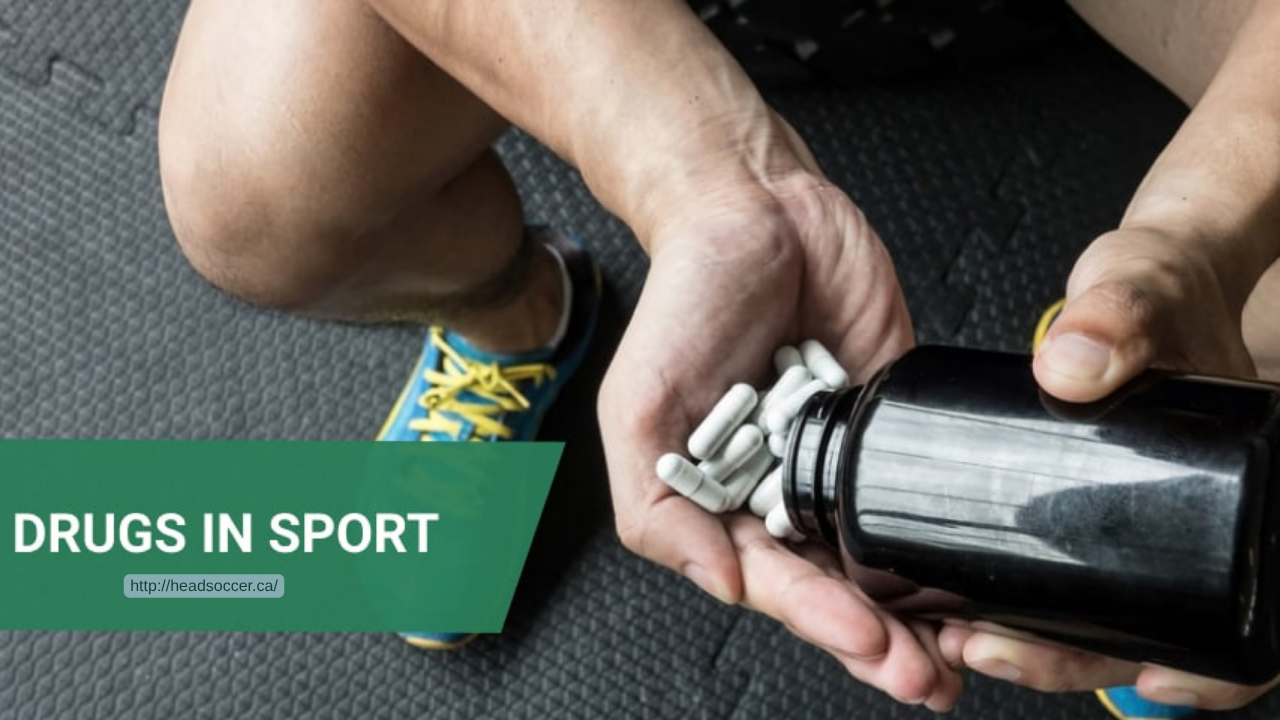
When the crowd roars and the stadium lights shine, athletes seem unstoppable. They are celebrated as heroes, admired for their strength, and rewarded for their determination. Yet when the noise fades and the lights go out, many athletes face an entirely different reality. The pressures of competition, physical pain, and emotional isolation can lead some down a dark path of substance use and addiction. Behind the image of success lies a human struggle that is rarely seen but urgently needs understanding and compassion.
The Hidden Pressures of Athletic Success
Professional sports demand more than physical skill. They require mental resilience, emotional control, and the ability to perform under relentless pressure. Athletes live with the constant expectation to win, often at any cost. The fear of failure, injury, or losing a career can drive individuals to seek relief in unhealthy ways. Prescription painkillers, stimulants, and recreational drugs can become quick escapes from exhaustion, pain, and stress. Unfortunately, these temporary solutions often lead to long-term problems.
The Cycle of Pain and Dependence
Injuries are part of every athlete’s journey, but the pressure to recover quickly can be overwhelming. Many are prescribed opioids to manage pain, and over time, tolerance and dependency can develop. Others may turn to stimulants to sustain performance or alcohol to cope with anxiety and sleepless nights. What begins as a tool for relief can spiral into addiction that affects every part of life—body, mind, and spirit.
The Emotional Toll Behind Closed Doors
While athletes may appear confident and composed in public, the private toll of addiction is devastating. Shame, fear, and guilt often prevent them from asking for help. The same mindset that drives them to succeed—the belief that they must always be strong—can make vulnerability feel impossible. Over time, isolation replaces connection, and the once vibrant energy of competition fades into loneliness.
Mental Health and the Stigma of Seeking Help
The culture of sports often values toughness and endurance over emotional honesty. Admitting to addiction or mental health struggles can be viewed as weakness, even though it takes extraordinary courage to speak up. This stigma silences many athletes, allowing addiction to deepen in secret. Breaking this silence is essential for recovery. True strength is found not in denying pain, but in confronting it with honesty and courage.
The Road to Recovery and Renewal
Healing from addiction requires more than physical recovery. It involves addressing the emotional, mental, and spiritual wounds that often accompany substance use. At Head Soccer Recovery, treatment focuses on the whole person through a compassionate and comprehensive approach.
A Personalized Path to Healing
- Inpatient and outpatient programs designed to meet each individual’s needs and pace of recovery.
- Mental health therapy to address underlying issues such as anxiety, depression, or trauma.
- Holistic and faith-based treatments that nurture balance and inner peace through mindfulness, fitness, and spiritual support.
- Individualized care that respects each person’s unique journey and goals for healing.
These integrated methods empower athletes to rebuild their lives, rediscover their identity, and find purpose beyond the game.
Finding Hope Beyond Addiction
Addiction does not define who you are or diminish what you have achieved. It is a challenge that can be faced and overcome with the right support and guidance. Every story of struggle can become a story of redemption.
If you or someone you love is battling addiction, you are not alone. Head Soccer Recovery offers compassionate care tailored to each person’s unique needs. Take the first step toward healing today. The lights may dim, but your story can still shine brighter than ever before.