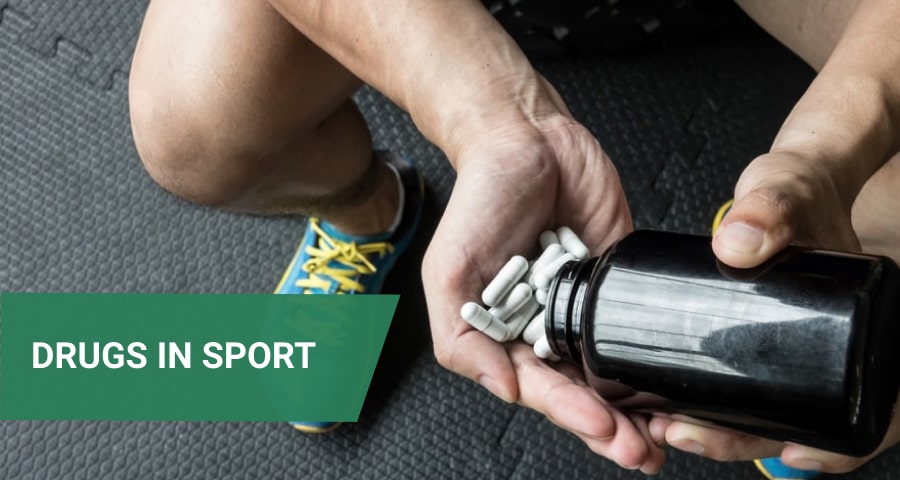
Professional sports are often associated with excellence, discipline, and peak physical performance. Athletes are celebrated for their ability to push limits, overcome obstacles, and perform under extreme pressure. However, behind the success stories, there is a less visible reality. Many athletes experience personal struggles with mental health challenges and addiction that develop gradually under constant pressure, injury recovery, and emotional strain. Understanding this shift from peak performance to personal struggle is essential for prevention, awareness, and recovery.
At Headsoccer, we provide compassionate, individualized addiction recovery and mental health treatment. Our programs include inpatient and outpatient care, evidence-based therapy, and holistic and faith-based approaches designed to support full-person healing. We focus on helping individuals rebuild stability, restore mental health, and create a sustainable path toward long-term recovery.
How Addiction Develops in the World of Sports
Addiction in athletes rarely begins with clear warning signs. It often starts as a coping mechanism for physical pain, emotional stress, or performance pressure. Over time, these coping behaviors can develop into dependency, especially when underlying mental health needs are not addressed.
The Pressure to Perform at a High Level
Athletes are expected to maintain consistent excellence, often with little room for error. This pressure can lead to anxiety, sleep difficulties, and emotional exhaustion. In some cases, substances may be used to manage stress or maintain focus, which increases the risk of dependency.
Injury Recovery and Pain Management Challenges
Injuries are common in sports and can significantly impact both physical and emotional health. Prescription medications are often part of recovery, but prolonged or unsupervised use can lead to substance dependence. The combination of pain, frustration, and isolation during recovery can increase vulnerability.
Mental Health Struggles Behind the Success
Depression, anxiety, and burnout are increasingly recognized in the sports world. However, many athletes feel pressure to hide these struggles to protect their careers or public image. Without proper support, untreated mental health conditions can contribute to substance use.
High Expectations and Emotional Isolation
Even in team environments, many athletes experience emotional isolation. Time away from family, demanding travel schedules, and constant public scrutiny can create a sense of disconnection that makes coping more difficult.
Recognizing Early Signs of Addiction in Athletes
Early recognition plays a critical role in effective recovery. Because athletes are trained to push through discomfort, signs of addiction can often be overlooked.
- Sudden decline in performance or consistency
- Withdrawal from teammates, coaches, or support systems
- Mood swings, irritability, or emotional withdrawal
- Increased secrecy or defensive behavior
- Changes in sleep, energy levels, or motivation
Identifying these signs early can lead to timely intervention and better long-term outcomes.
The Connection Between Mental Health and Addiction
Mental health challenges and addiction often develop together. Stress, trauma, or unresolved emotional pain can increase the likelihood of substance use, while substance use can worsen mental health symptoms over time. This creates a cycle that is difficult to break without structured support.
Why Integrated Treatment Is Essential
Treating addiction without addressing mental health conditions often leads to incomplete recovery. At Headsoccer, we focus on integrated care that addresses both simultaneously, helping individuals achieve lasting stability and emotional wellness.
Recovery Pathways for Athletes and High-Pressure Individuals
Recovery is not a single event. It is a structured process that requires professional care, consistency, and support. At Headsoccer, treatment is designed to meet individuals where they are in their journey.
Personalized Treatment Planning
Each individual has unique needs. Personalized care plans are developed based on medical history, mental health conditions, substance use patterns, and personal recovery goals.
Evidence-Based Therapy
Therapeutic approaches such as cognitive behavioral therapy and individual counseling help individuals identify triggers, change harmful thought patterns, and develop healthier coping strategies.
Holistic and Faith-Based Support
Recovery is most effective when it supports the whole person. Holistic care may include mindfulness, physical wellness, nutrition, and spiritual support to restore balance and resilience.
Inpatient and Outpatient Care Options
Inpatient programs provide structured, immersive support for those needing intensive care. Outpatient programs offer flexibility while still providing consistent therapeutic guidance and accountability.
Aftercare and Long-Term Recovery Support
Sustained recovery depends on continued care. Aftercare programs, peer support, and ongoing counseling help individuals maintain progress and reduce the risk of relapse.
Moving From Peak Performance to Healing
The transition from peak performance to personal struggle can happen quietly, but recovery is always possible. With the right combination of support, structure, and compassionate care, individuals can regain control of their lives and rebuild both mental and physical well-being.
At Headsoccer, we are committed to walking alongside individuals through every stage of recovery. If you or someone you care about is struggling with addiction or mental health challenges, reaching out for help is the first and most important step toward healing and long-term recovery.