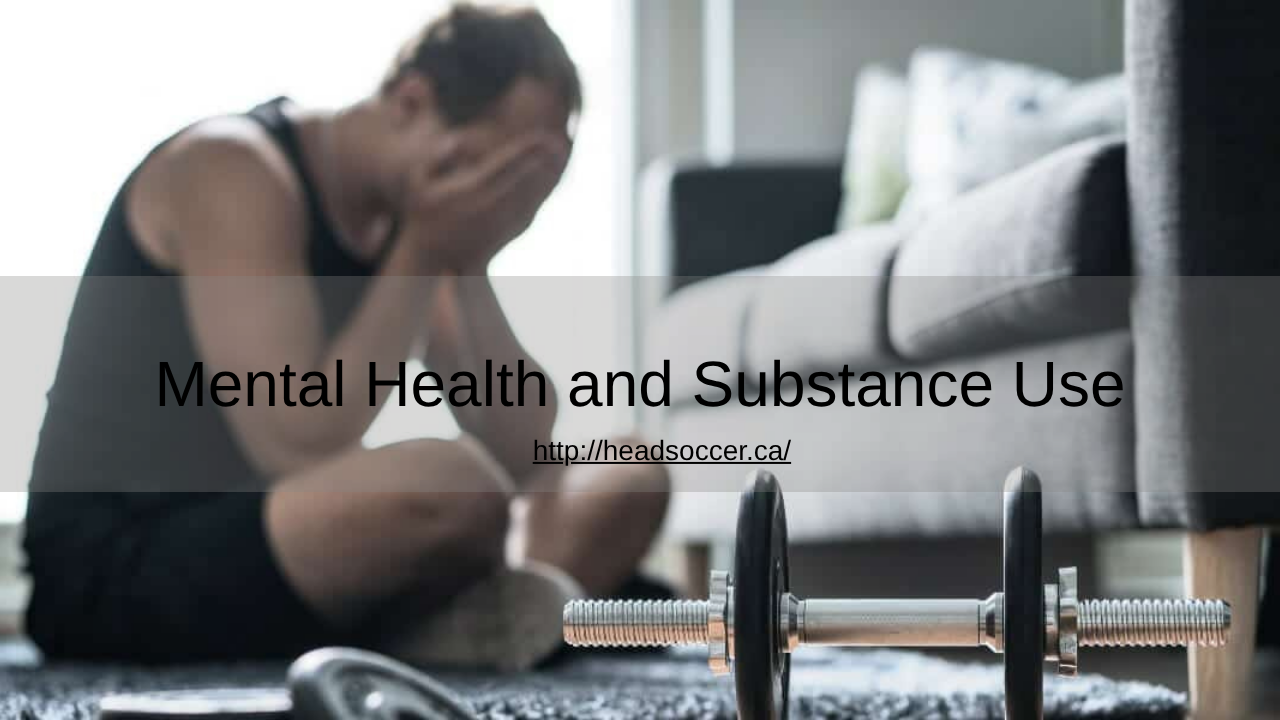
To fans, professional athletes are symbols of strength, skill, and dedication. Every game, goal, and record-breaking moment is celebrated and admired. Yet behind the jersey, many athletes face struggles that remain largely unseen. The pressures of performance, physical injuries, and the constant scrutiny of the public can lead some athletes down a path of substance abuse. Addiction in professional sports is a serious issue that affects not just careers but also mental health, relationships, and overall well-being.
The Pressure to Perform
Professional sports demand relentless dedication. Athletes are expected to maintain peak performance, manage injuries, and meet the expectations of coaches, teammates, sponsors, and fans. This high-pressure environment can lead to stress, anxiety, and sometimes feelings of isolation. In an attempt to cope, some athletes turn to drugs or alcohol to numb pain or manage stress. What may begin as a short-term solution can quickly develop into dependency.
Physical Injuries and Pain Management
Injuries are a common part of an athlete’s career. From torn ligaments to recurring joint pain, these physical setbacks can impact performance and career longevity. Prescription painkillers are often used to manage injuries, but without proper oversight, they can lead to addiction. Athletes may feel pressure to continue playing despite pain, creating a dangerous cycle of reliance on medication to stay in the game.
Mental Health and Substance Use
The mental and emotional toll of professional athletics is often underestimated. Anxiety, depression, and burnout are prevalent in sports, yet the culture often discourages athletes from seeking help. Substance abuse can become a form of self-medication, temporarily masking emotional struggles but ultimately deepening the problem. Addressing mental health alongside addiction is critical for long-term recovery and overall wellness.
Breaking the Stigma
One of the greatest barriers to recovery is stigma. Many athletes fear that admitting to addiction or mental health struggles will harm their careers or public image. This fear can lead to isolation and prevent timely intervention. At Head Soccer Recovery, we emphasize that seeking help is a sign of strength. Encouraging open conversations about addiction and mental health is essential to breaking the cycle and supporting athletes in their recovery journey.
Holistic and Individualized Approaches to Recovery
Recovery is not a one-size-fits-all process. At Head Soccer Recovery, care is tailored to each individual, combining medical support, therapy, and holistic treatments. Faith-based counseling is available for those who find strength in spirituality, creating a supportive and compassionate environment for healing.
Comprehensive Treatment Options
- Inpatient and outpatient programs provide structured care while accommodating different levels of need.
- Mental health therapy addresses underlying issues such as anxiety, depression, and trauma.
- Holistic approaches including mindfulness, nutrition, and fitness help restore balance and wellbeing.
- Personalized care plans ensure that each athlete’s journey to recovery is unique and fully supported.
Moving Beyond Addiction
Addiction does not define an athlete’s life or achievements. Recovery is possible, and with the right support, athletes can regain control over their health, relationships, and purpose. Healing goes beyond substance use, fostering resilience and renewed meaning in life beyond the sport.
If you or a loved one is struggling with addiction, seeking help is the first step toward recovery. Head Soccer Recovery offers compassionate, individualized care to support athletes and anyone facing substance abuse. Take action today and begin the journey toward healing, health, and hope beyond the game.